Case study · Computational design · KSDS 2026
Multi-view consistency in automated product form analysis
Data-driven design requires quantitative descriptors of product shape. This study tests whether sixteen standard renders can substitute for 3D CAD, which is proprietary and rarely available, as the input.
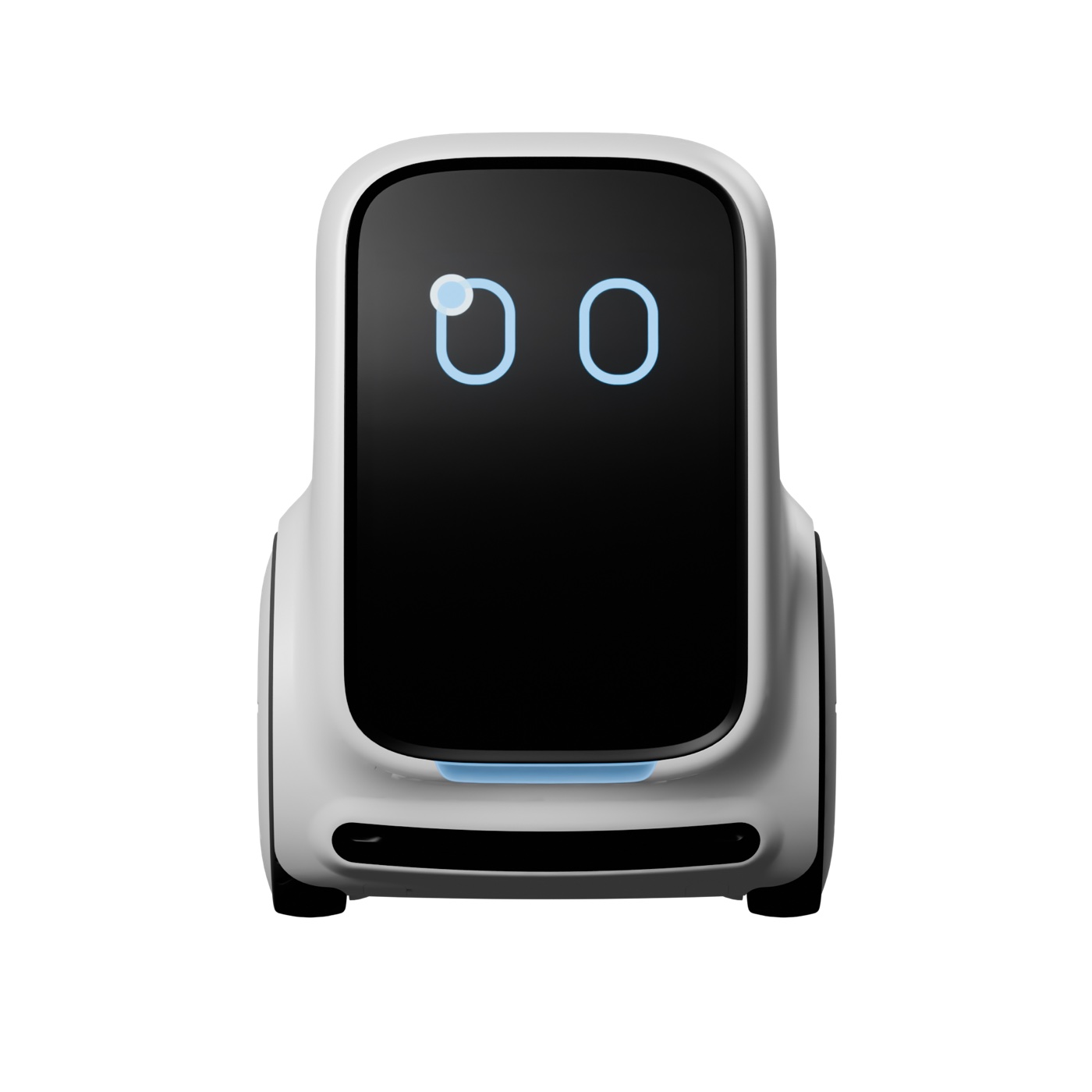
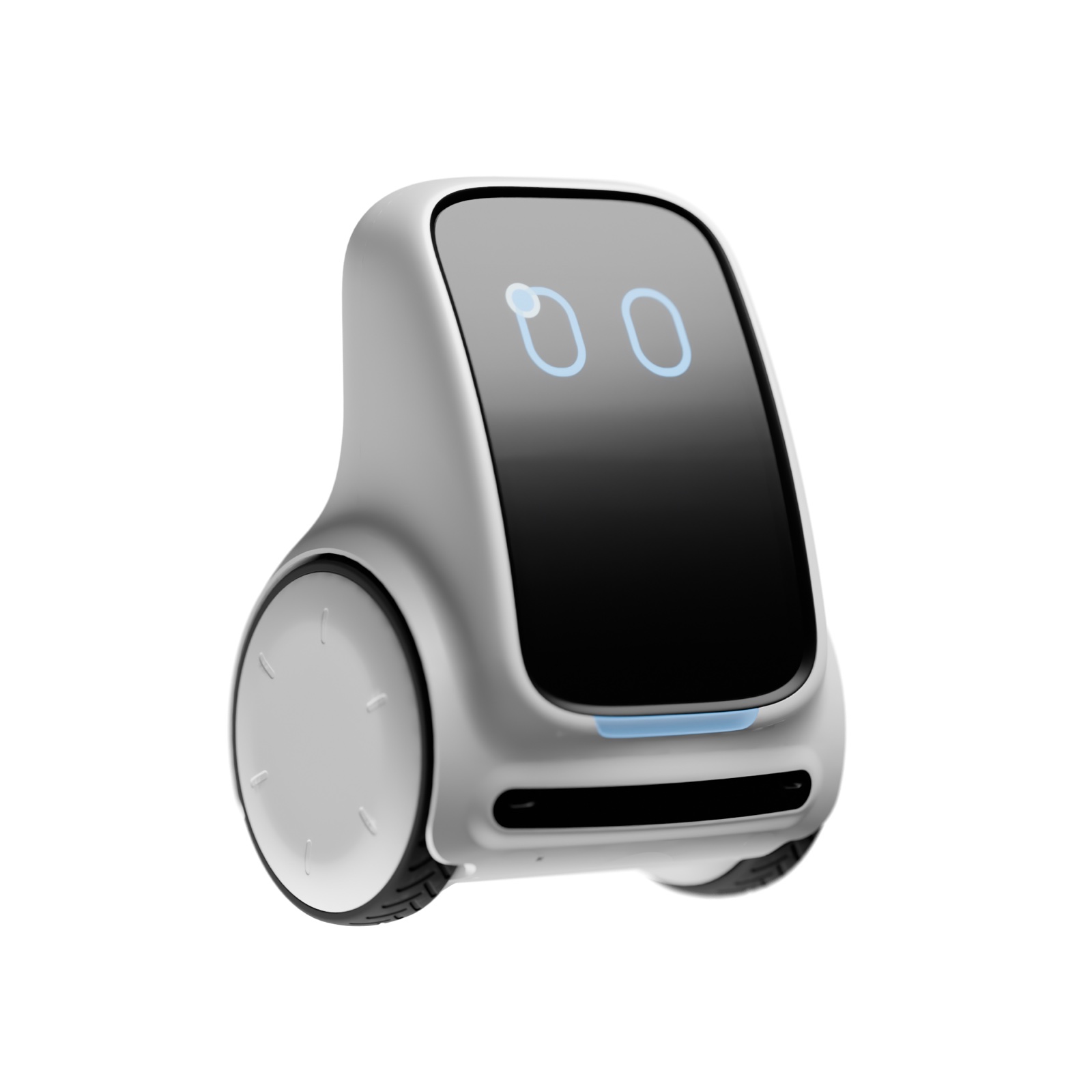
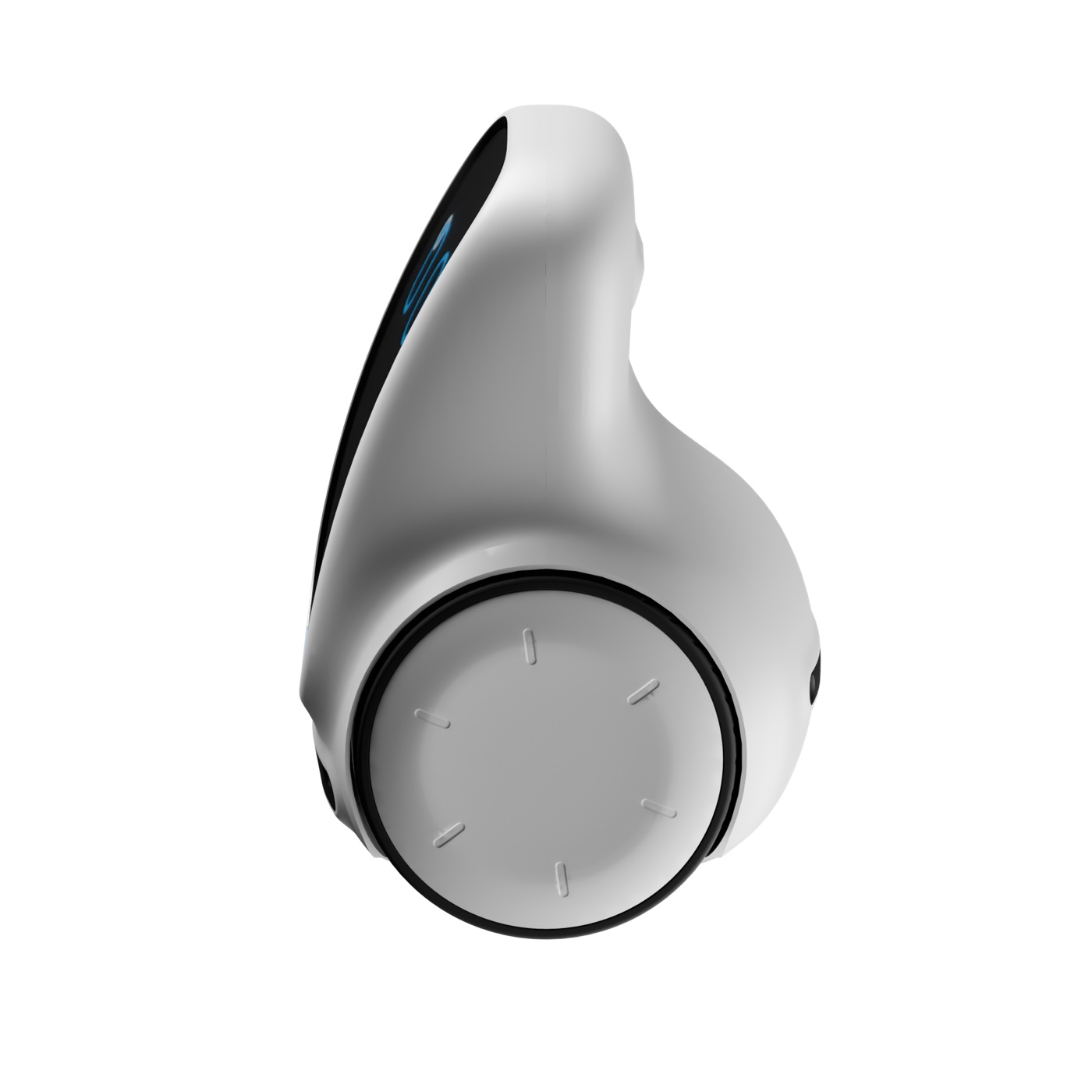
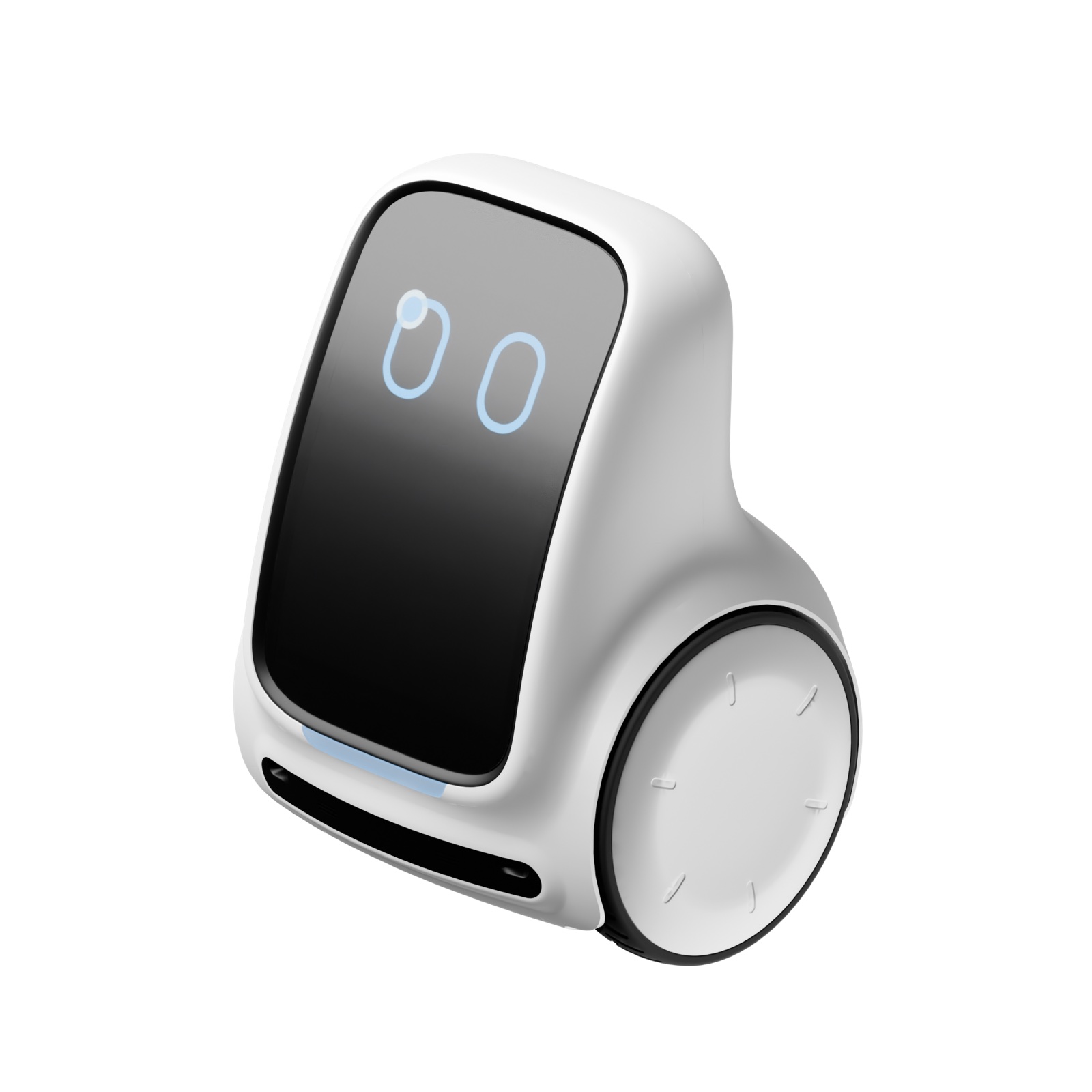
One of the seven products analyzed, each rendered on a full 360° turntable.
Project facts
D. Sarfraz and K. Kim, UNIST
KSDS 2026 International Conference
Python with OpenCV and scikit-image, and Depth-Anything-V2-Small via Hugging Face Transformers
A compact vector describing elongation, symmetry, outline irregularity or apparent part count supports competitor comparison, tracking of design evolution, and linking form to judgments such as perceived quality. CAD would be the ideal input but is rarely available. Product images are widely available, and they are what expert evaluators assess.
Why
Silhouette and depth signals yield 23 form parameters
Each image is decomposed into a silhouette mask and a depth map, then summarized with 23 established form parameters. The parameters themselves are not new; the contribution is extracting all 23 automatically from a small set of images.
-
1
Silhouette mask
From the alpha channel, or luminance thresholding plus a largest-contour fill.
-
2
Monocular depth
Depth-Anything-V2-Small predicts depth from a single RGB image, normalized within the mask.
-
3
23 parameters
Symmetry, proportion, curvature, visual complexity, convexity, balance and primitive fit. Fifteen use the mask alone; eight also incorporate depth.
Evaluation protocol. Seven products were each rendered on a full 360° turntable at two set sizes, 16 views (every 22.5°) and 180 views (every 2°): Lemmy, a Sony PSP-1000, a Teenage Engineering TP-7, a game controller, a Nokia handset, a Marshall speaker and a Canon lens. For each parameter, consistency = 1 − |v₁₆ − v₁₈₀| / |v₁₈₀|, averaged across products.
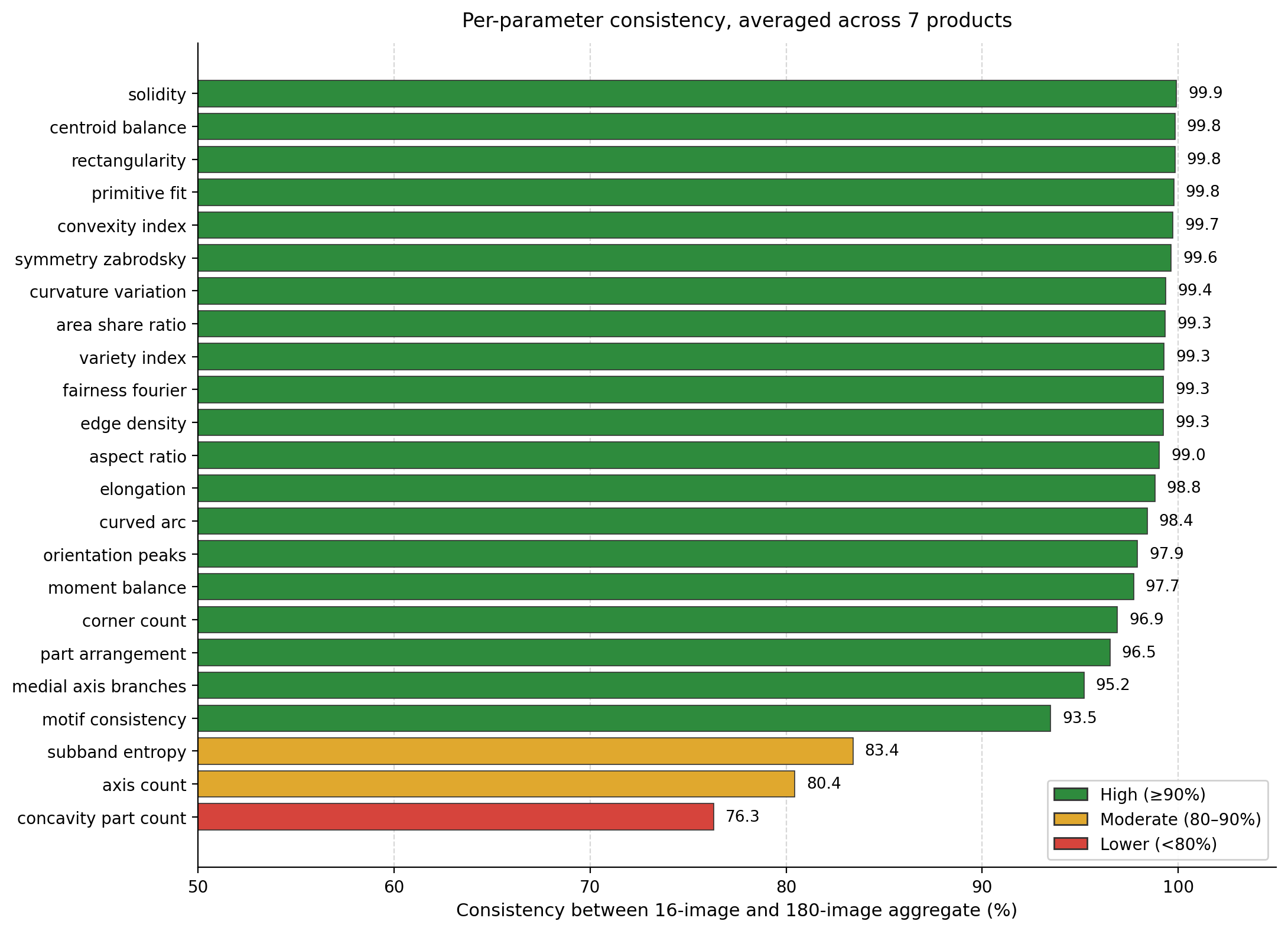
Sixteen views reproduced 180-view results for 20 of 23 parameters
Highly consistent (90% or more). Led by solidity (99.9%), centroid balance, rectangularity and primitive fit (99.8%), convexity index (99.7%) and symmetry (99.6%).
Moderate (80–90%). Sub-band entropy (83.4%) and axis count (80.4%), which are sensitive to small native scales or integer thresholds.
Lower (under 80%). Concavity part count (76.3%) is threshold-sensitive and degrades on products with minimal concavity.
Throughput enables dataset-scale form analysis
A 23-parameter profile is computed in seconds from sixteen renders, which product catalogs often already contain. Across hundreds or thousands of products, this allows form parameters to be paired with expert evaluations to build the datasets that learning models require.
Scope and limitations
The sample comprised seven products, rotated about a single axis with no pitch variation. Integer-count parameters require rescaling before they can be reported alongside the others. The study establishes stability across view counts, not geometric accuracy; linking the vectors to expert ratings is the next test.