Case study · Mixed reality · First place
Bringing the Bangudae petroglyphs indoors through mixed reality
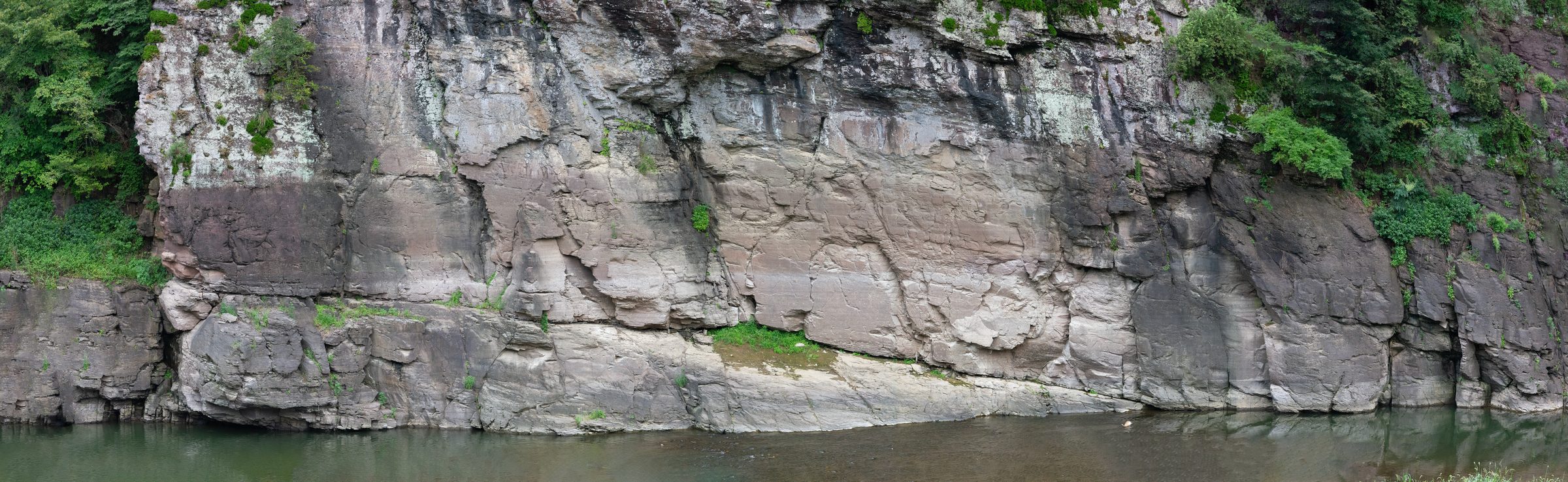
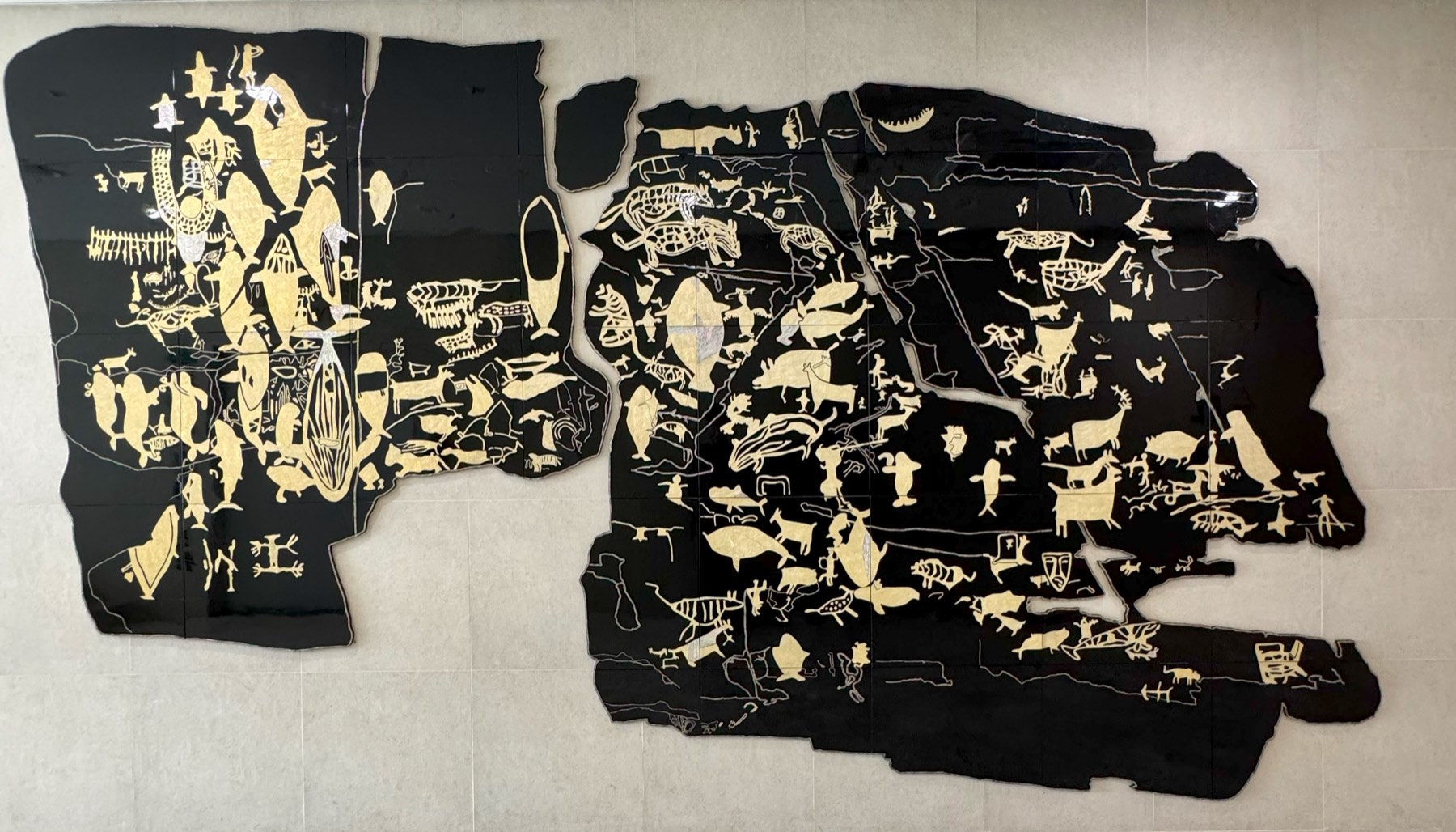
The Bangudae and Cheonjeon-ri petroglyphs line a cliff along Ulsan’s Daegokcheon Stream. Bangudae XR is a Meta Quest 3 mixed-reality application that brings the stream’s heritage, from the carvings to dinosaur footprints, into any indoor space.
First place3rd Korea Heritage Digital Contents Contest, 2024Project facts
Designer and developer, with Prof. KwanMyung Kim, UNIST Department of Design
Meta Quest 3 with passthrough mixed reality, built in Unreal Engine 5
Field photography, photogrammetry, 360° panoramas, AI-based Gaussian splatting with Luma AI
First place, 3rd Korea Heritage Digital Contents Contest (2024)
Korea Heritage Service and Korea National University of Heritage
Development of digital heritage content through XR
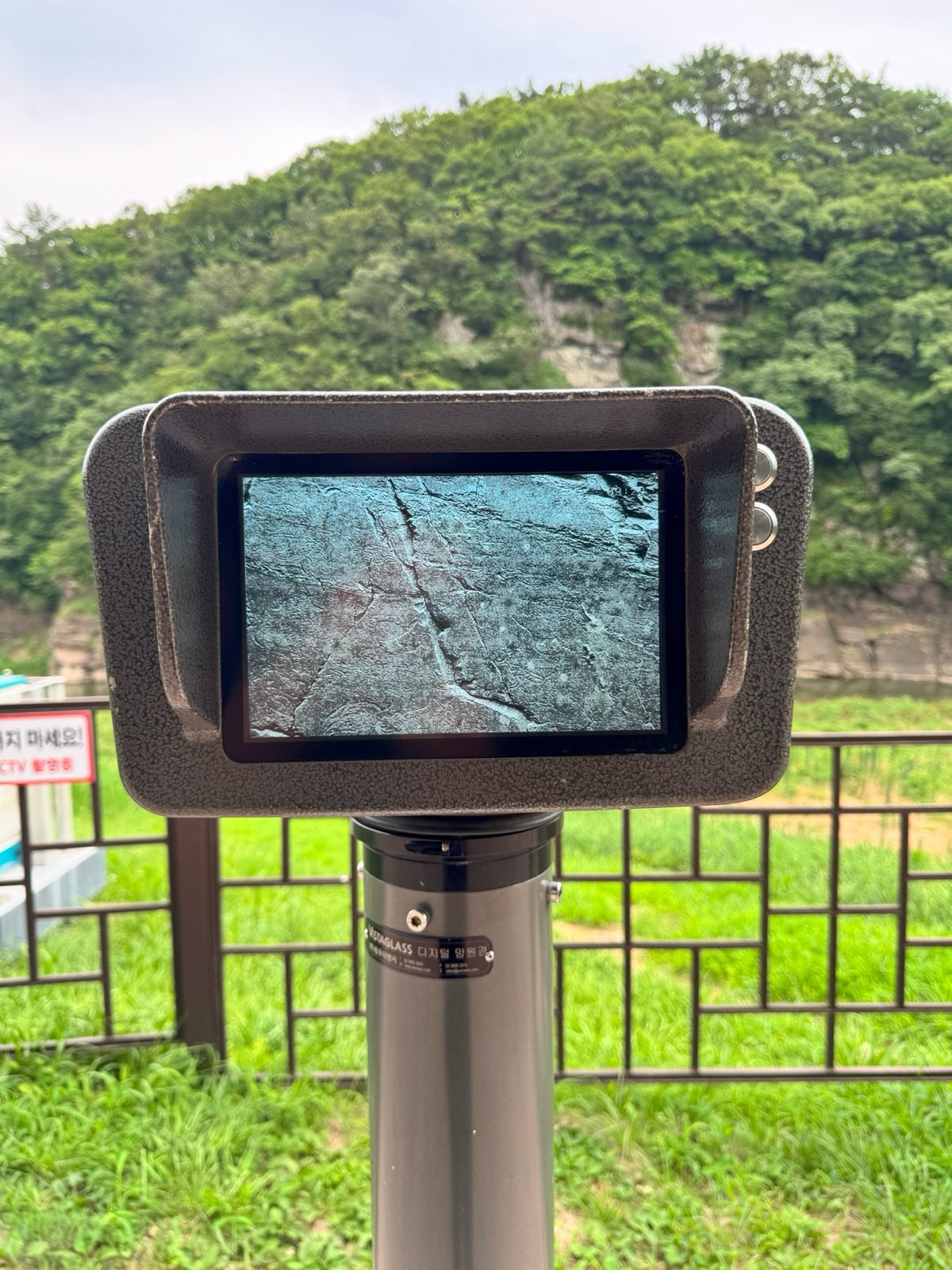
On site, visitors view the carvings from across the stream, often through a viewing scope. The heritage is visible but physically inaccessible. The project uses mixed reality to bring it within arm’s reach.
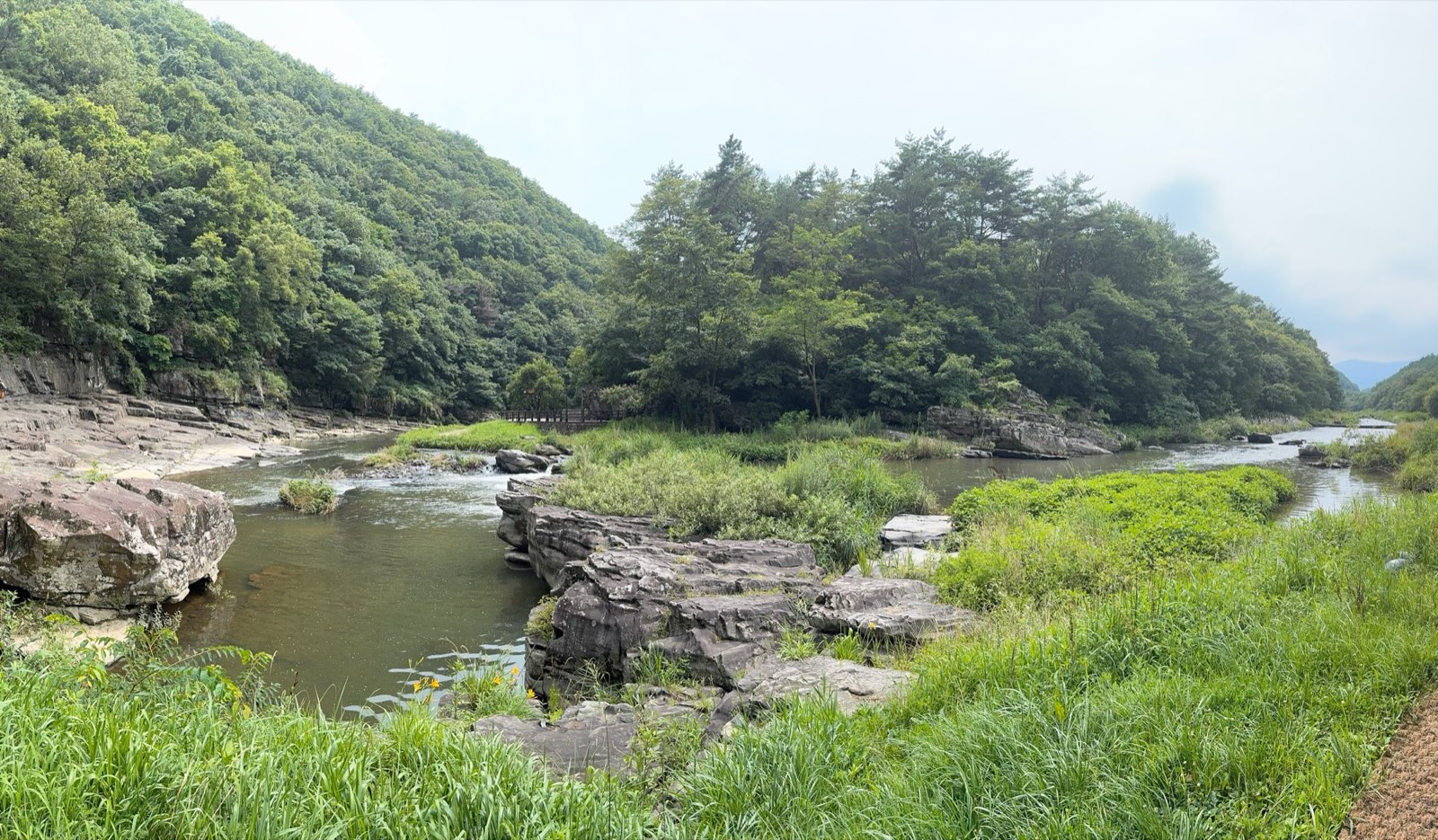
Field documentation of the Daegokcheon Stream
Fieldwork documented the landscape, the rock surfaces and how visitors currently view the site.
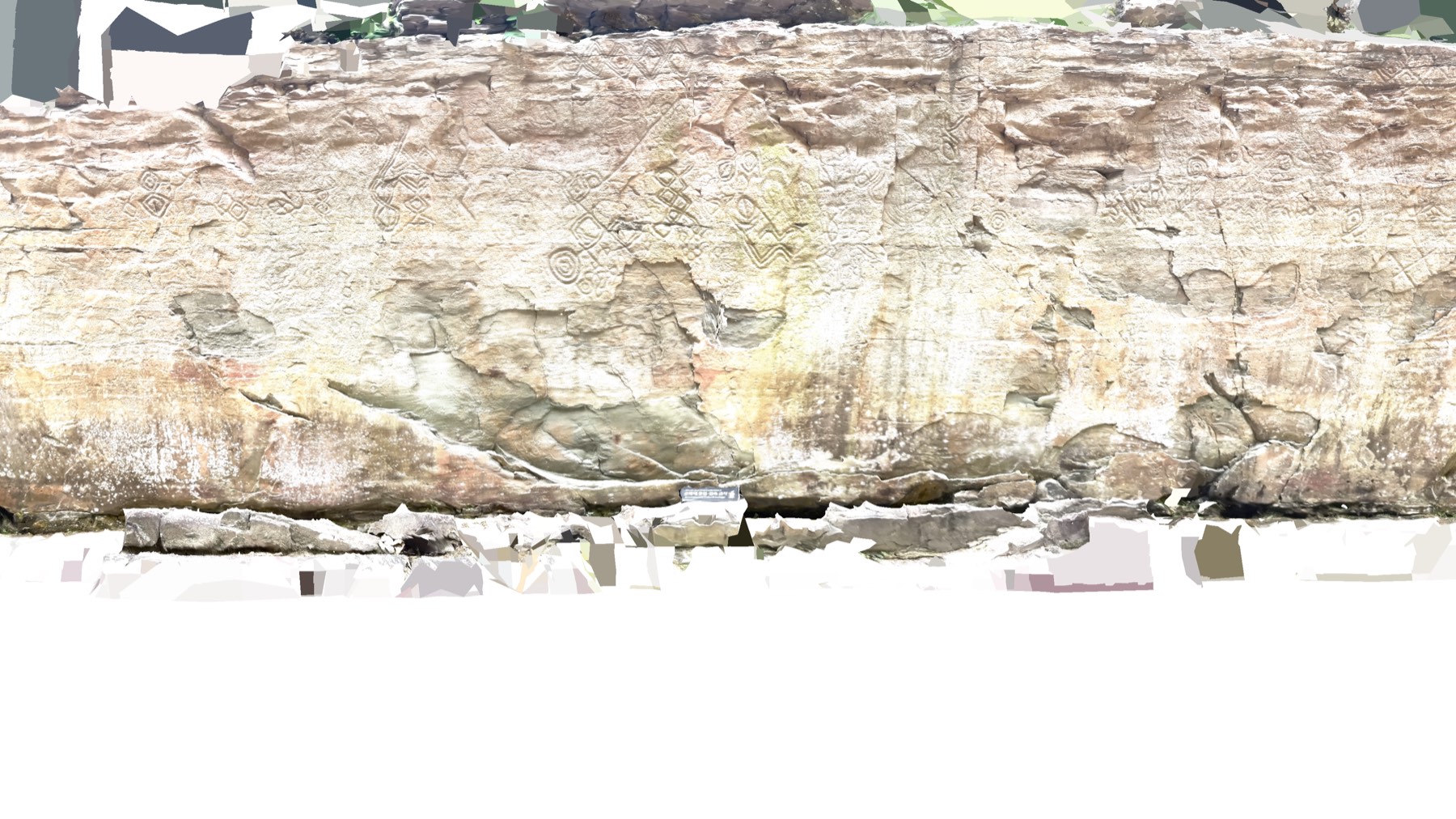
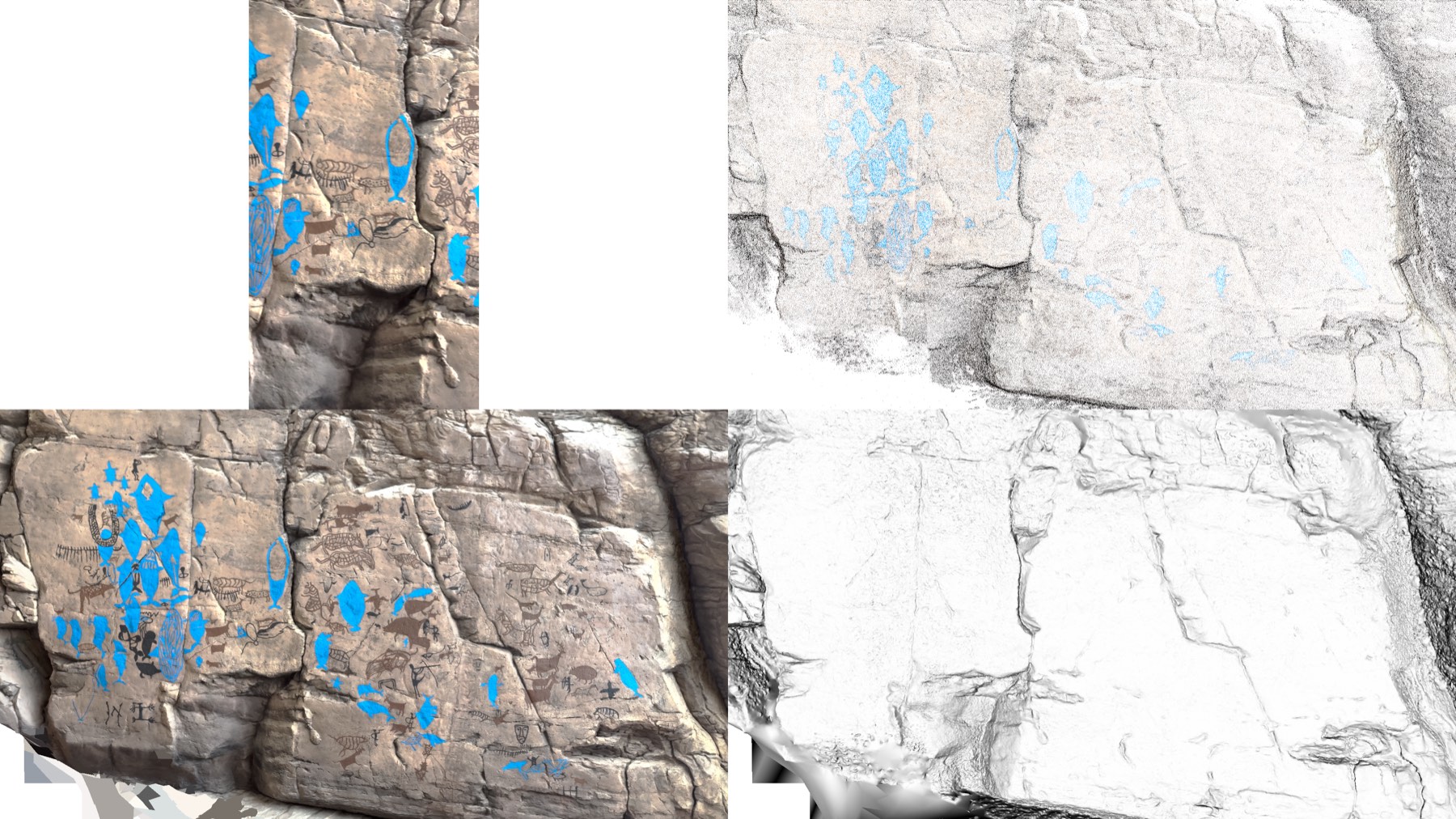
3D capture with photogrammetry and Gaussian splatting
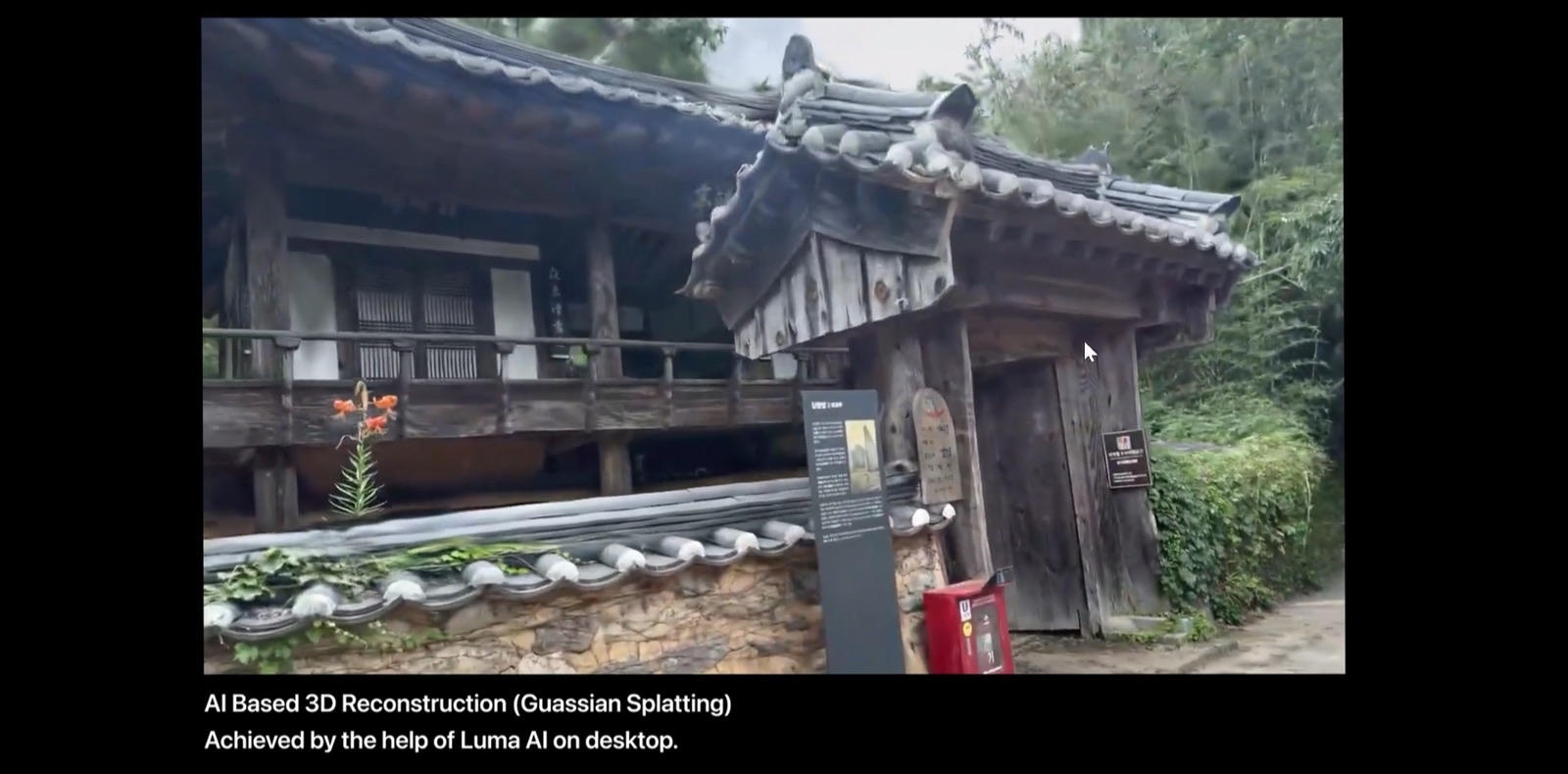
Photogrammetry converted rock surfaces into textured meshes; AI-based Gaussian splatting captured buildings and larger structures.
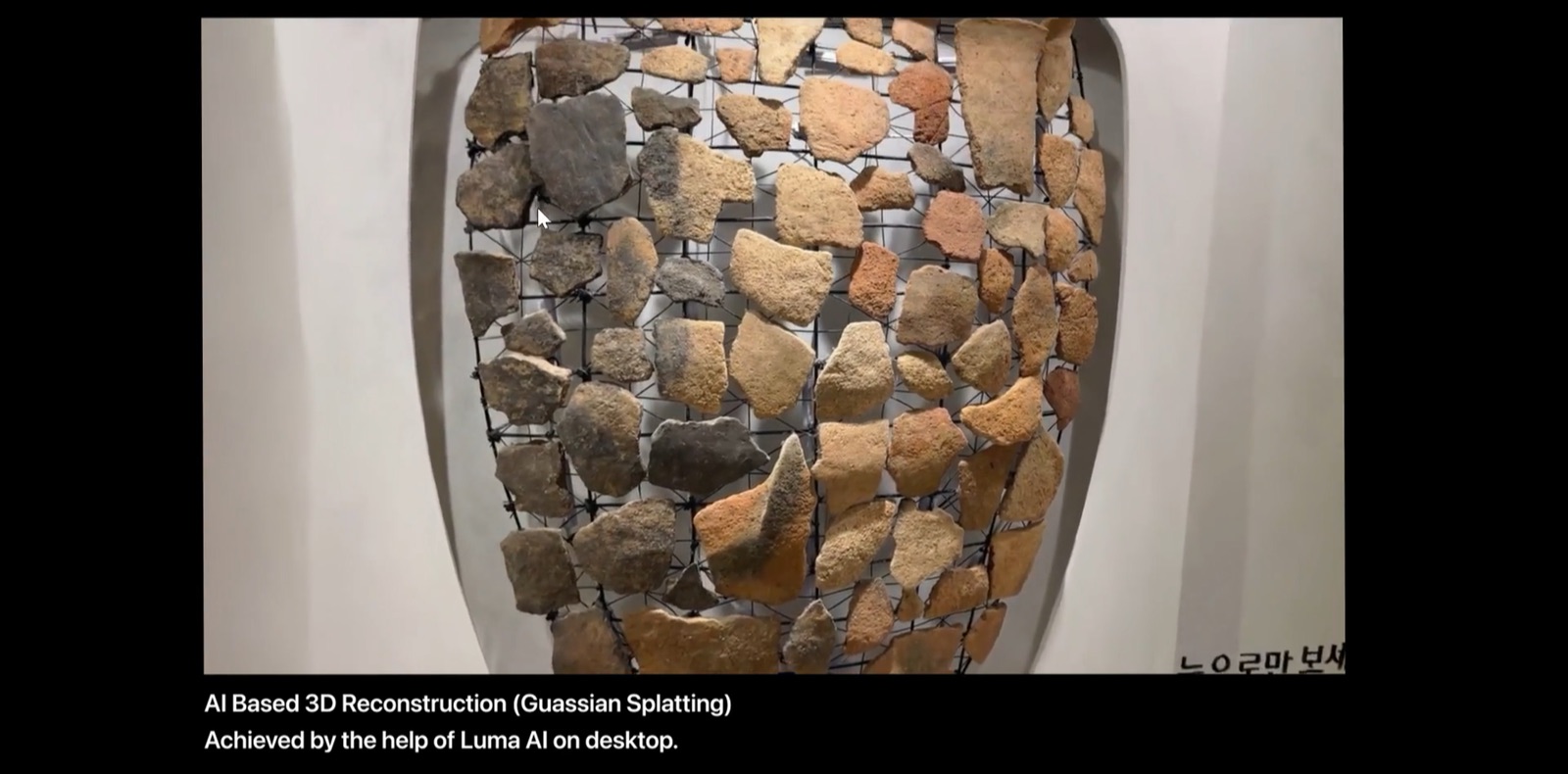
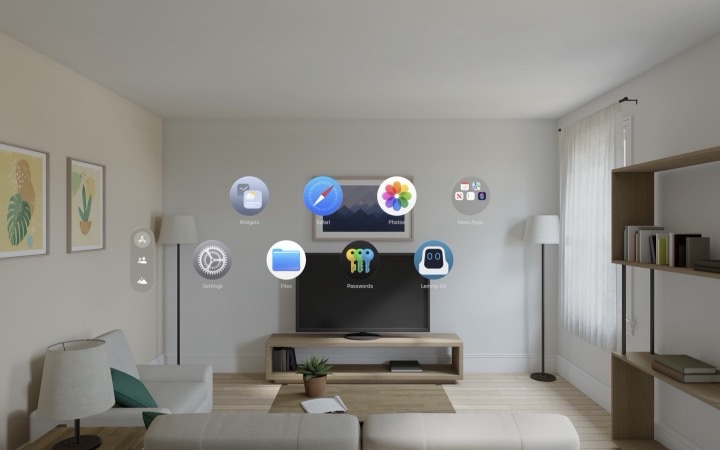
Passthrough mixed reality for indoor heritage viewing
Passthrough keeps users anchored in their physical surroundings while the scanned artifacts are presented in front of them.
Spatial grounding through passthrough
Passthrough maintains awareness of the physical room while the artifacts are displayed in front of the user.
Chronological sequence
Five scanned artifacts are presented in chronological order, from Mesozoic dinosaur footprints to the Joseon Dynasty, each with its title, era and description.
Minimal navigation
Navigation is limited to Previous, Home and Next, keeping the experience stable, easy to learn and easy to test.
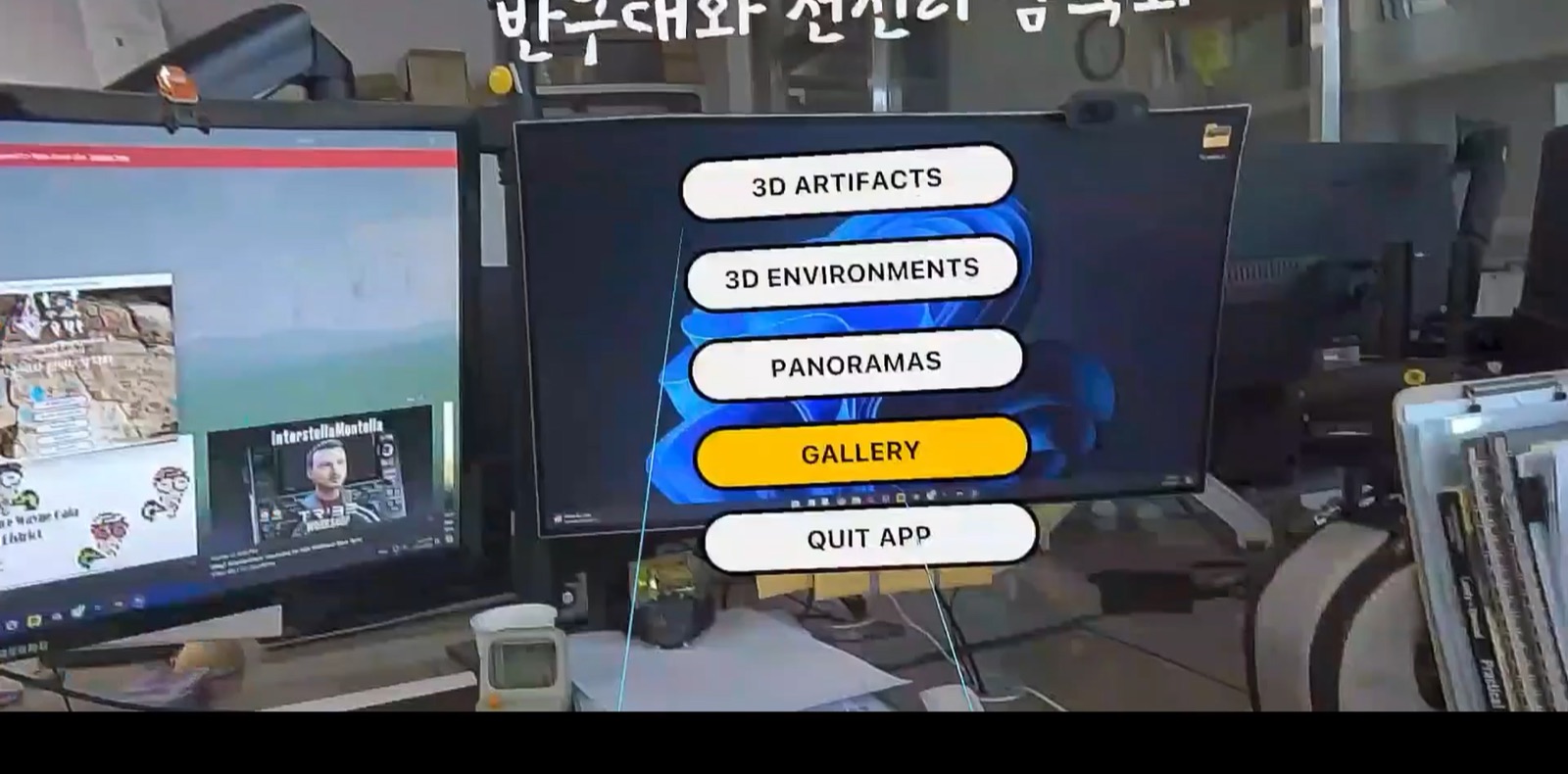
Main menu
A main menu with four content types
3D artifacts, 3D environments, panoramas and a photo gallery are accessed from a menu displayed over the room. The layout is extensible, so new sections and scans can be added as they become available.
Design decisions
Deliberately minimal interaction
The interface is limited to Previous, Home and Next to keep the experience stable and easy to test. Panoramas and a photo gallery let prospective visitors preview the site before visiting.
Outcome
First place, 3rd Korea Heritage Digital Contents Contest
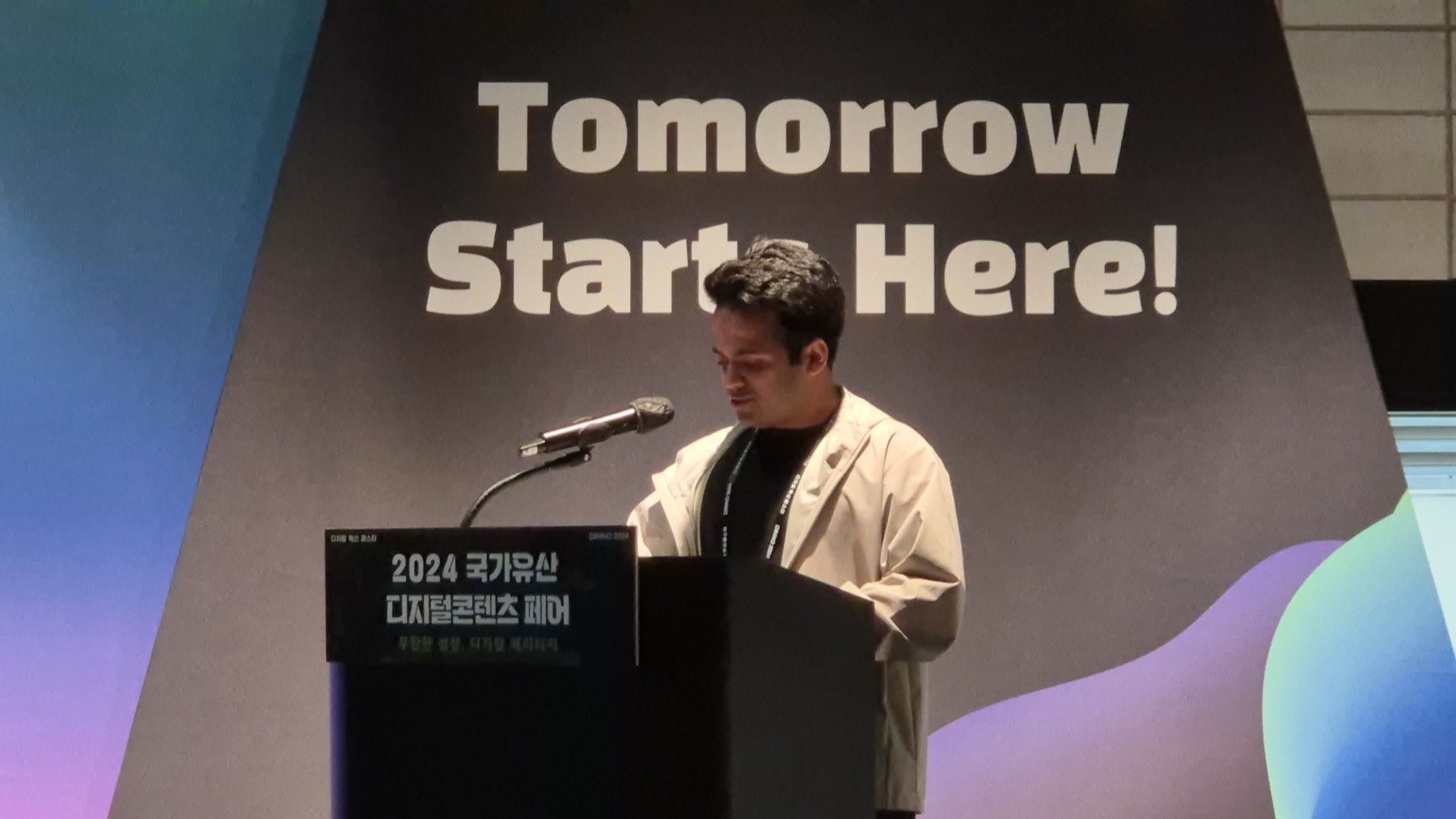
The project received first place at the 3rd Korea Heritage Digital Contents Contest in 2024, organized by the Korea Heritage Service and the Korea National University of Heritage. Entries were assessed through a written preliminary round and an on-site final presentation.