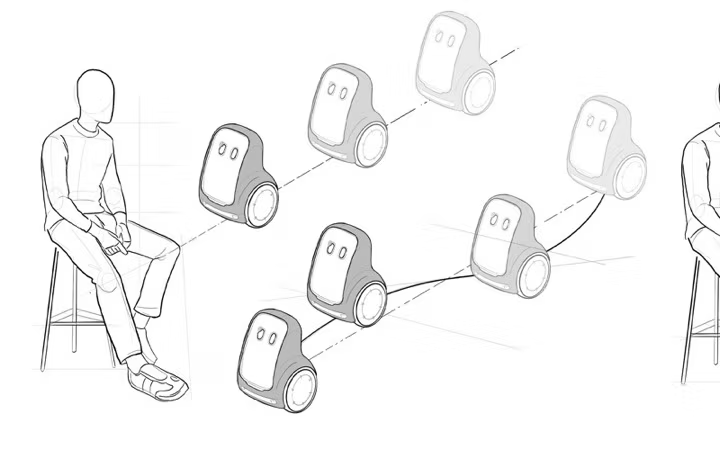
Talk · HCDT, UNIST · 17 November 2026
Learning design in the age of AI
Generalist or specialist? A one-hour talk and discussion on how to learn design while AI takes over more of the craft, with my own path from visual design to spatial computing and research as the case study.
Expert
Generalist
Deep generalist
Across: domains. Up: depth.
About the talk
Seminar at the Department of Human-Centered Design and Technology (HCDT), UNIST
17 November 2026, 13:00, in person
Two parts and extras · PDF, 3.2 MB · free to share with credit
The question
Design is evolving so fast that it’s really difficult to keep up. Should a student go deep in one field, or learn a little of everything, when AI can already do so much of both? The talk is a personal perspective, with some speculation, rather than fact or advice.
Part one · Conceptual
Two conventional ways to learn design, and what AI does to each
A designer is a modern craftsman: given a specification, they make an end product fitted to it, combining art and function. There have been two ways to become one.
-
1
The expert
Goes deep in one domain, through a design PhD or specialized training such as texture art. Later in a career, experts either specialize in a parallel domain or broaden their skills.
-
2
The generalist
Learns several kinds of design in a bachelor’s degree, then builds depth and a distinct taste, a design language, over time. Before AI, the generalist usually came out ahead.
-
3
AI against both
Fine-tuned, domain-specific models reach into the expert’s niche: ChatGPT can now replicate Hayao Miyazaki’s distinctive style on demand. And general tasks are exactly what AI is best at.
Generalist
AI model 1image generation
AI model 2research and text
“A single AI model can’t cover all the domains a generalist does, but it can cover certain parts with more precision.”
So is design dead? Not really, but its soul is
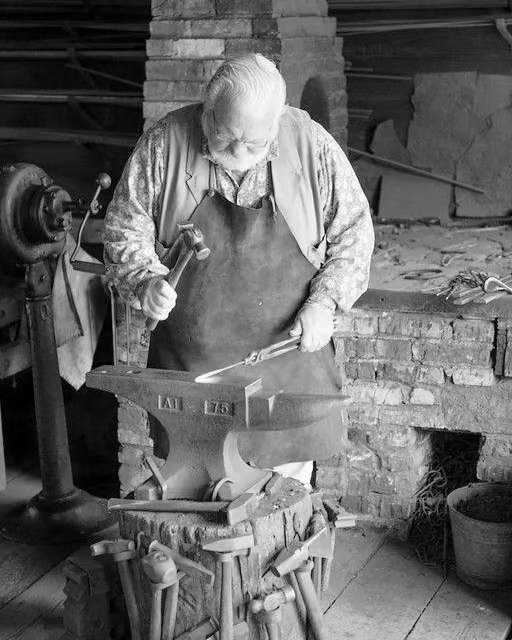
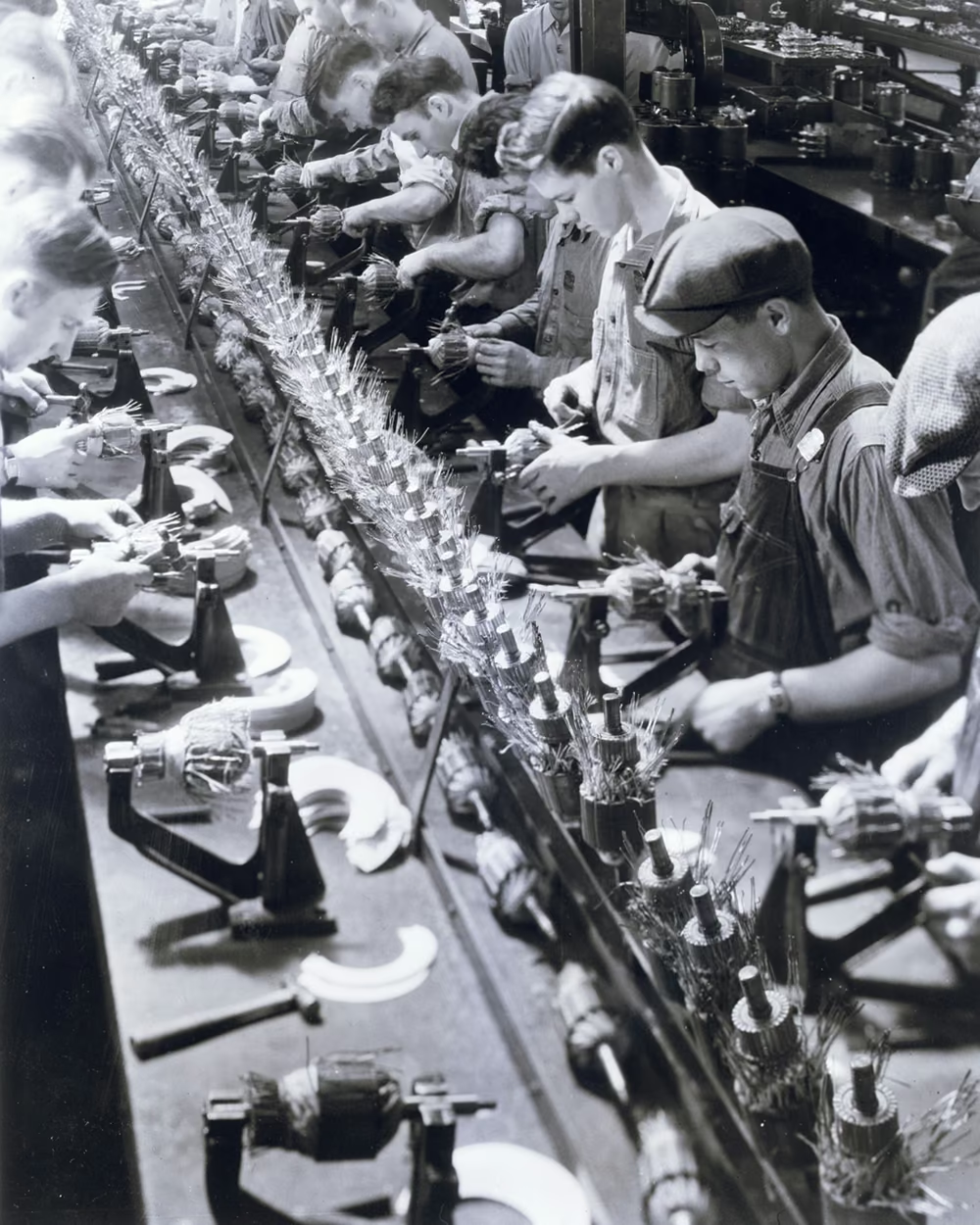
Craftsmanship is no longer required. In the Industrial Revolution, craftsmen became factory workers; in the age of AI, the designer’s role becomes increasingly managerial, overseeing how the AI system works and prompting the machines. The way through this new, AI-based industrial revolution is the deep generalist.
The deep generalist
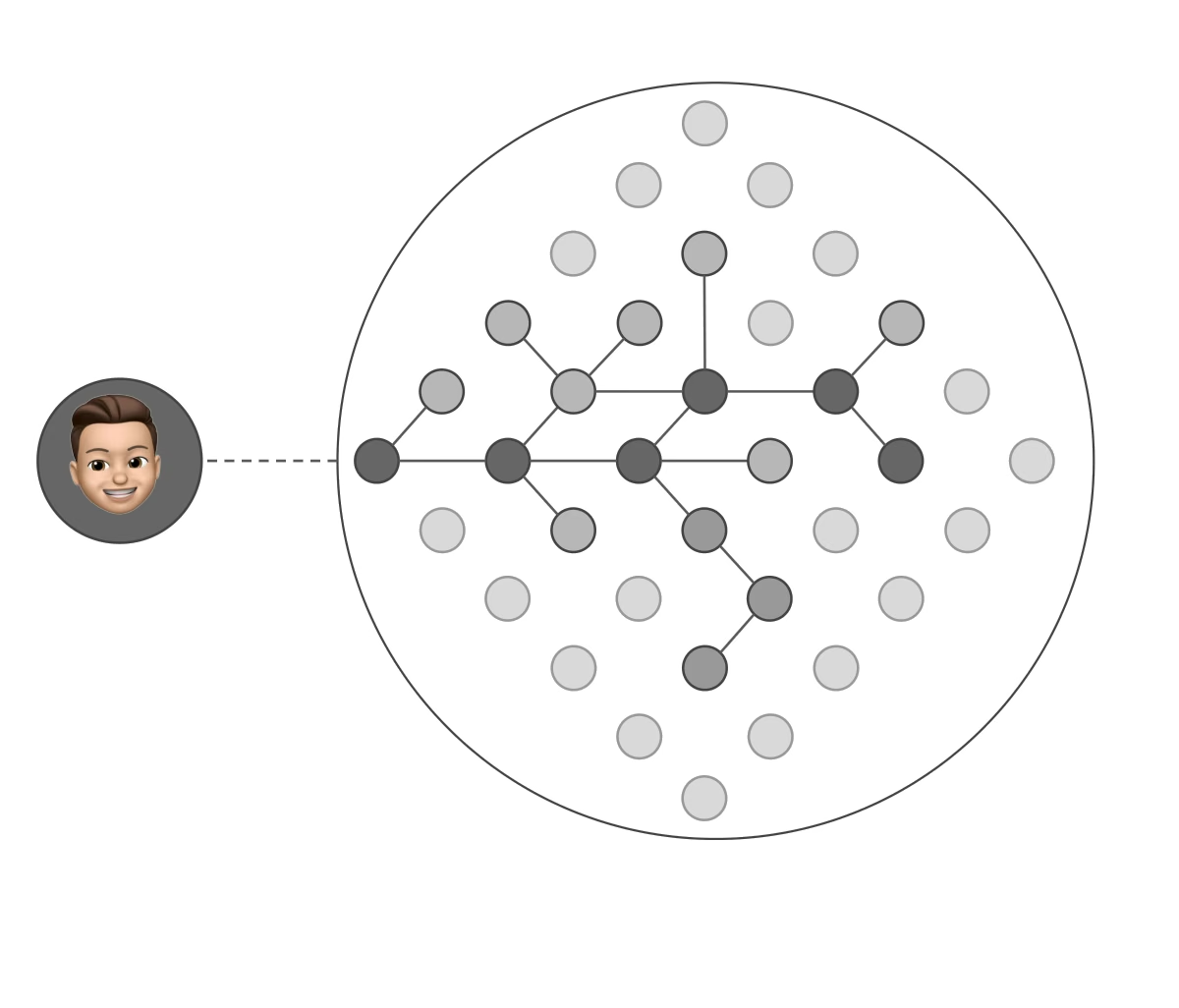
Rather than expanding to cover a whole domain, the deep generalist expands within one region, at greater depth. There are two ways to do it: across neighbouring domains, which makes extremely proficient people, or across distinct domains, which makes revolutionary ones.
What it means for students. Technology changes exponentially, but organizations change only logarithmically (Martec’s law), and large organizations resist change because they are built for reliability and accountability. Smaller, newer players adapt faster. So don’t depend on coursework alone, and accept smaller defeats for bigger wins.
Good reads
- INCOSE
The T-shaped Engineer
David Flanigan, INCOSE Chesapeake Chapter. People who pair one deep skill with the breadth to work across fields, and how schools, companies and hospitals train them.
- Forbes
Going Pi-Shaped: How To Prepare For The Work Of The Future
David Michels, 2019. Go broad or go deep? The case for two areas of depth on a base of broad, human skills.
- CertiProf
The M-Shaped Professional
The next step after the T-shaped model: two or more areas of real depth, joined by broad knowledge across functions.
- SSRN
Generative AI and the Return of the Generalist Worker
Preet Deep Singh, preprint, 2026. A model of how generative AI, by filling in missing skills, erodes the premium of deep specialists and raises the value of generalists who can direct it across domains.
Part two · Practical application
Myself as a case study: from visual design to spatial computing, development and research
A generalist bachelor’s in visual design, then a master’s spent going deeper into neighbouring domains, each step measured against experts I could learn from.
-
Bachelor’s. Five years of video editing, photography and visual 3D, with over 70 freelance projects. Then AI image generation went mainstream in 2023, right where my work was focused.
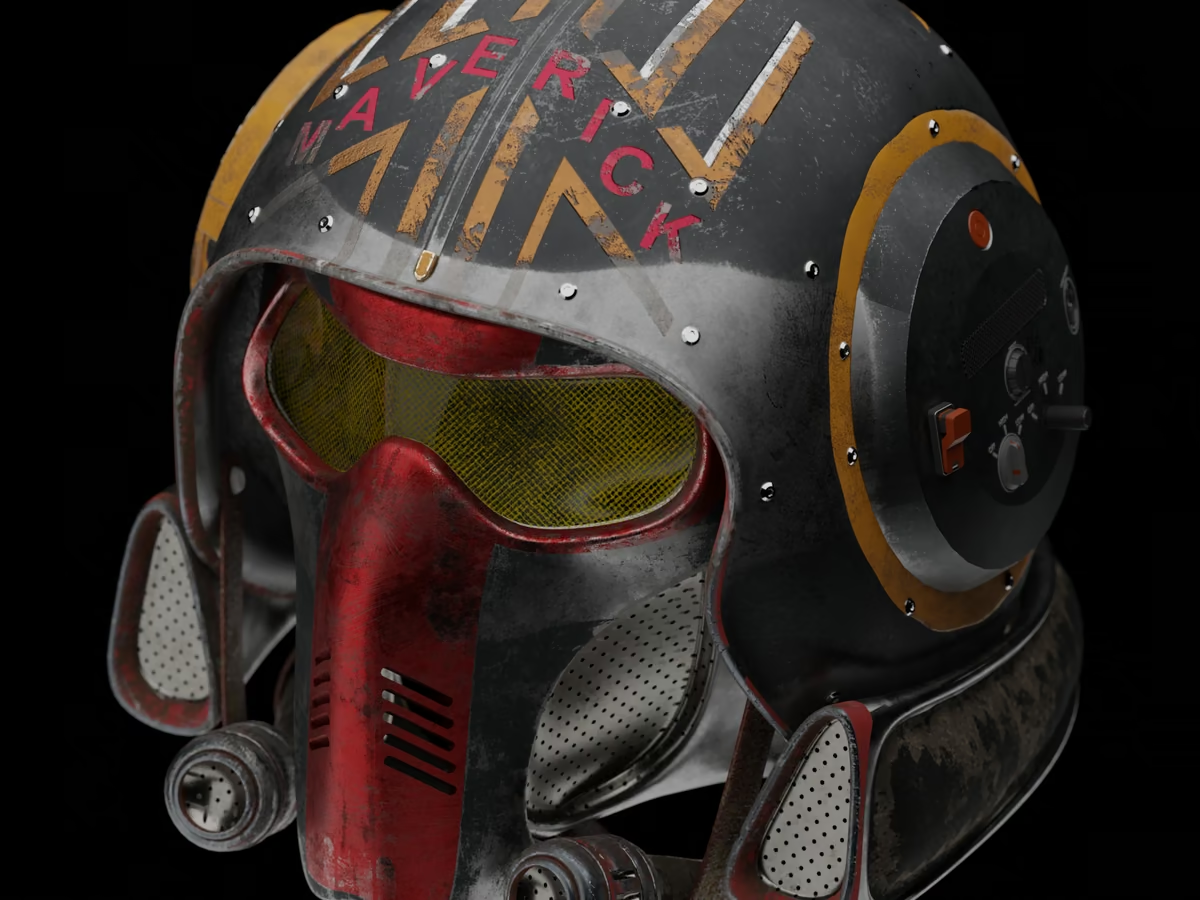

-
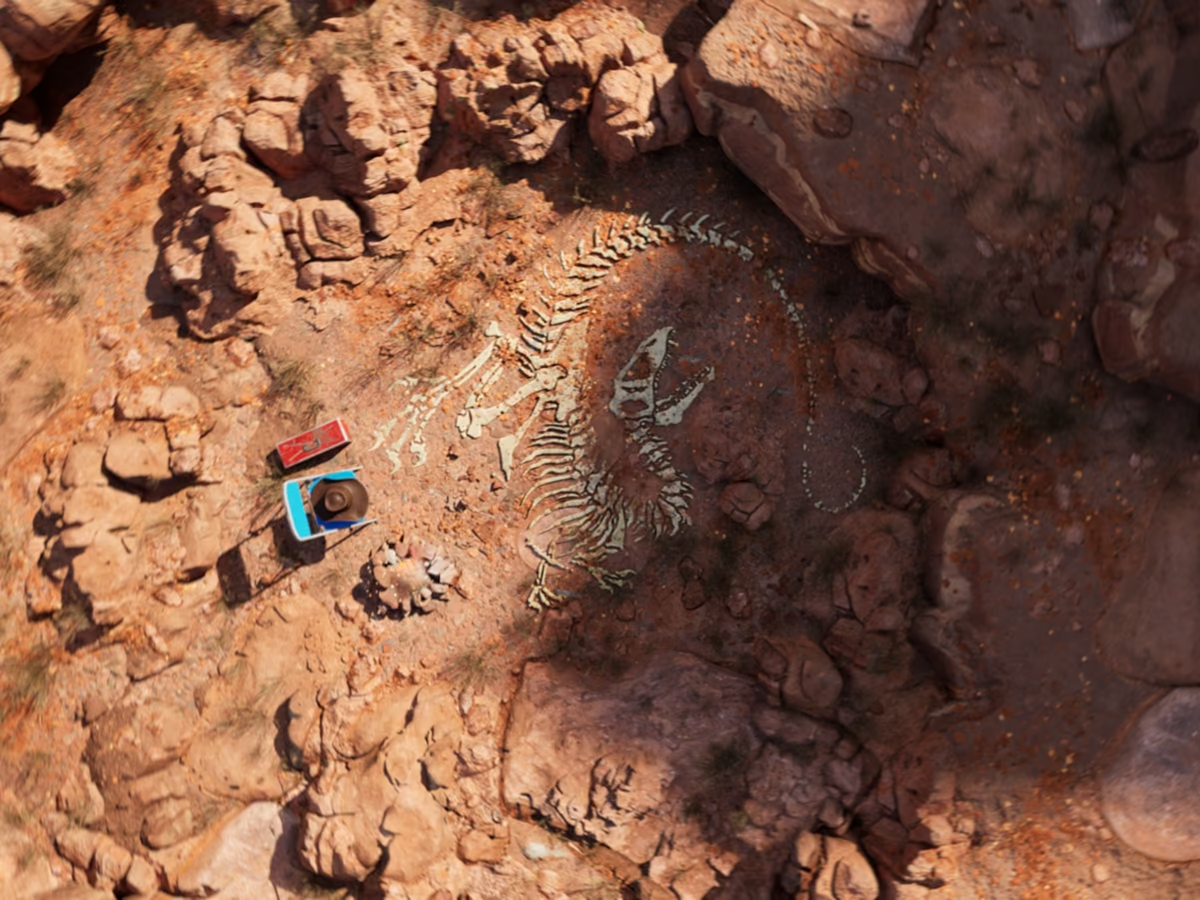
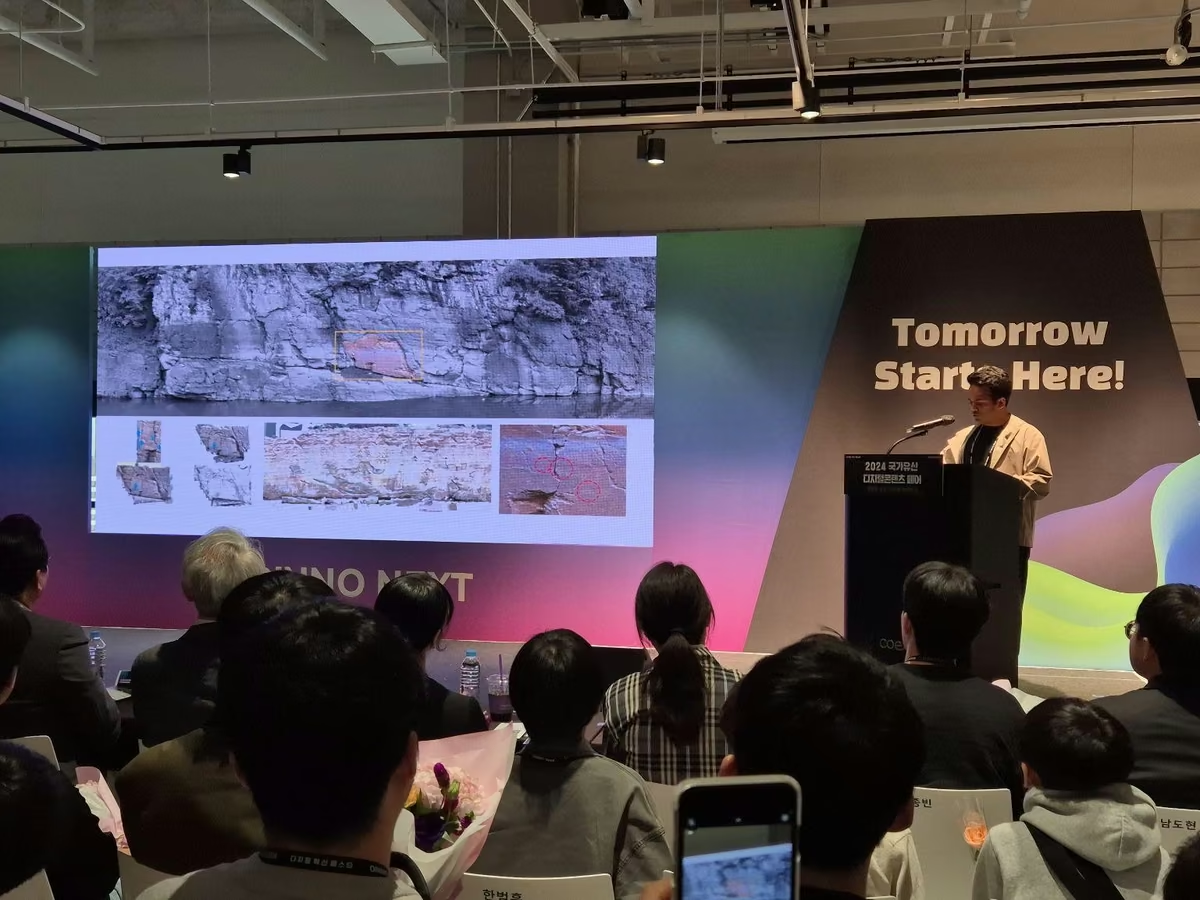
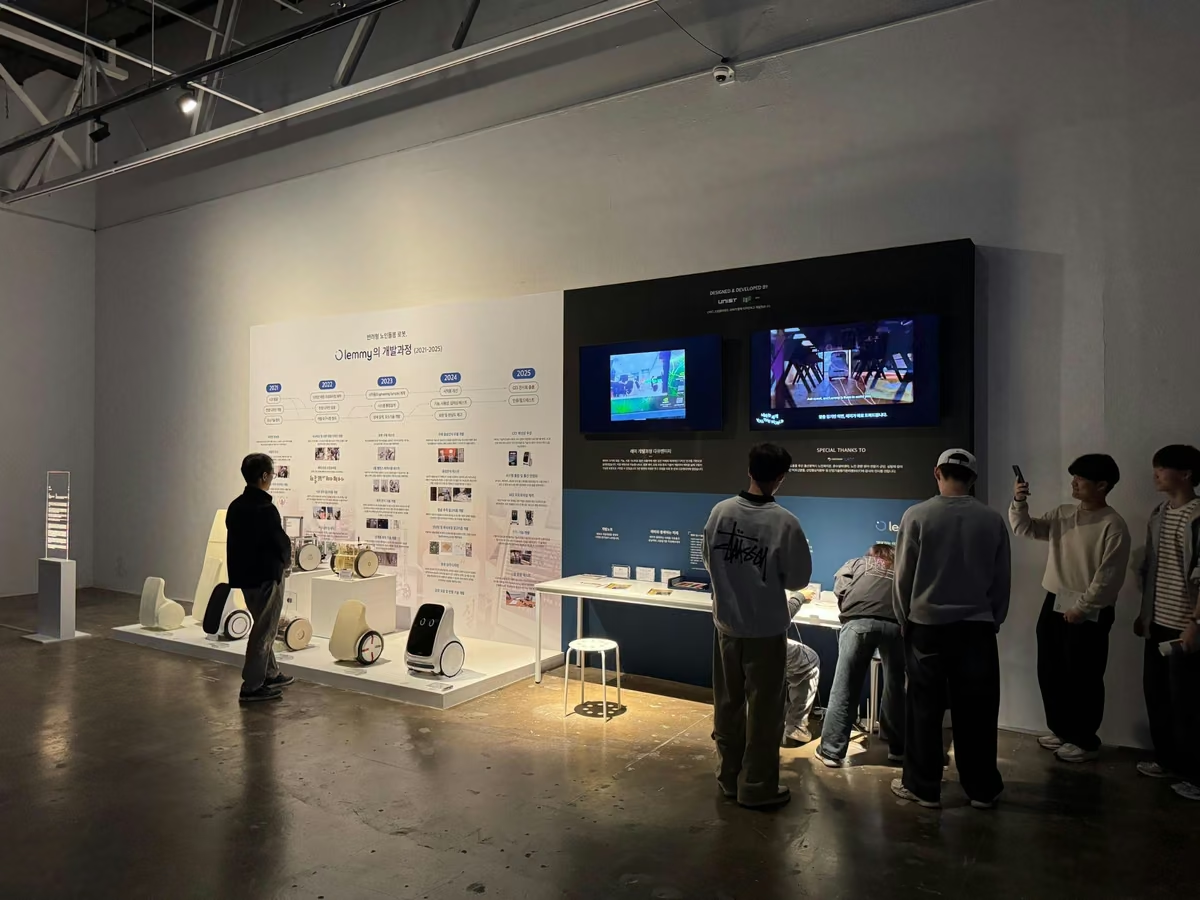
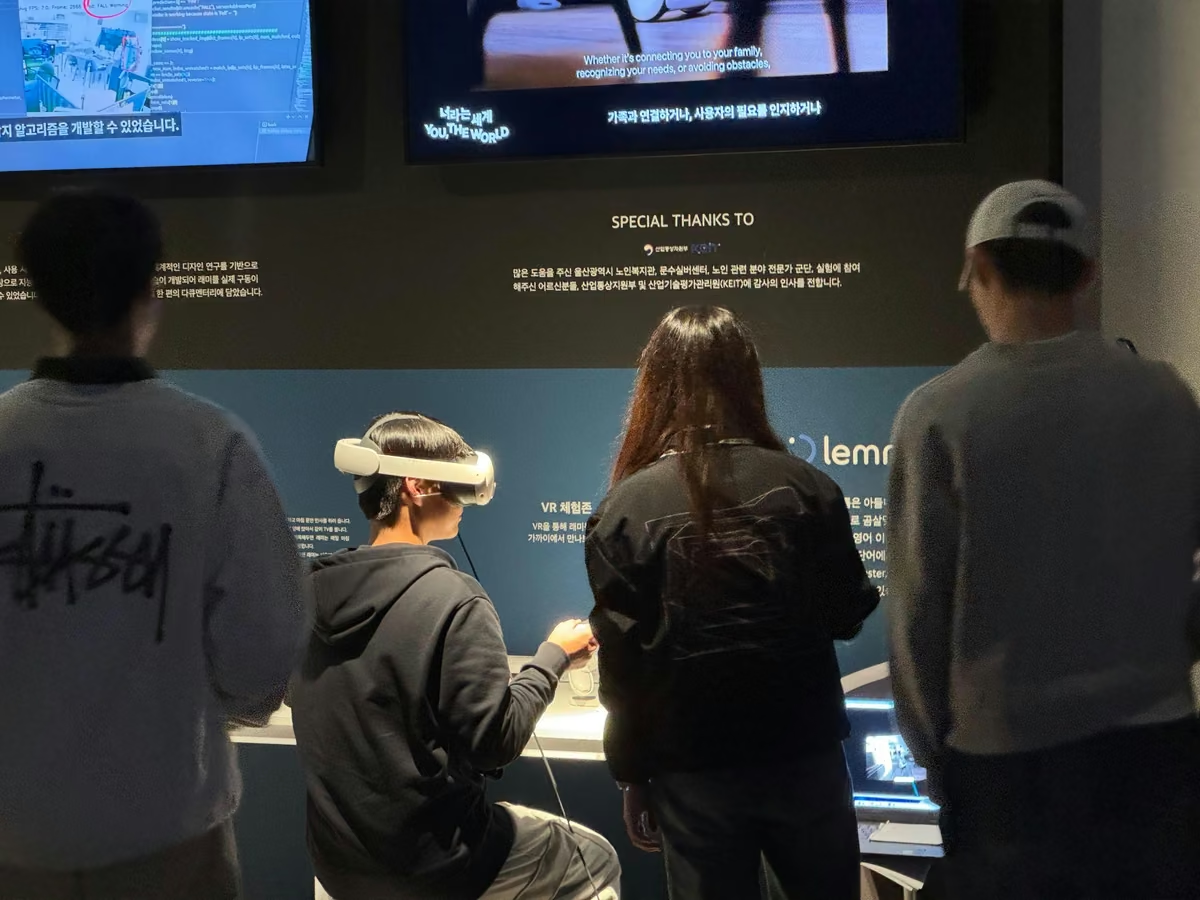
Master’s, first year. Unreal Engine, Meta VR and SolidWorks. First place for Bangudae XR and Lemmy at CES and the Gwangju Design Biennale, but all three papers rejected.
-
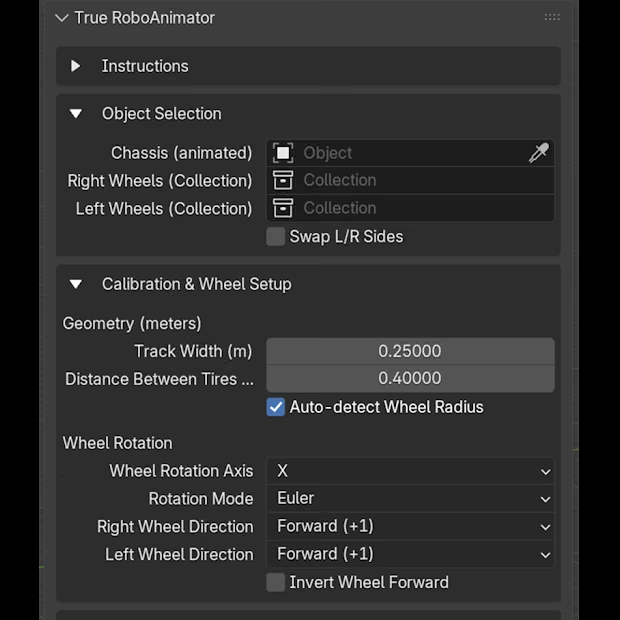
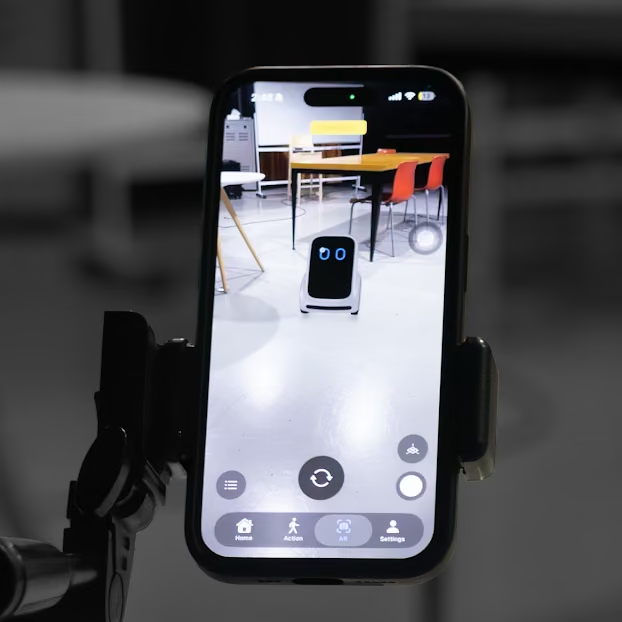
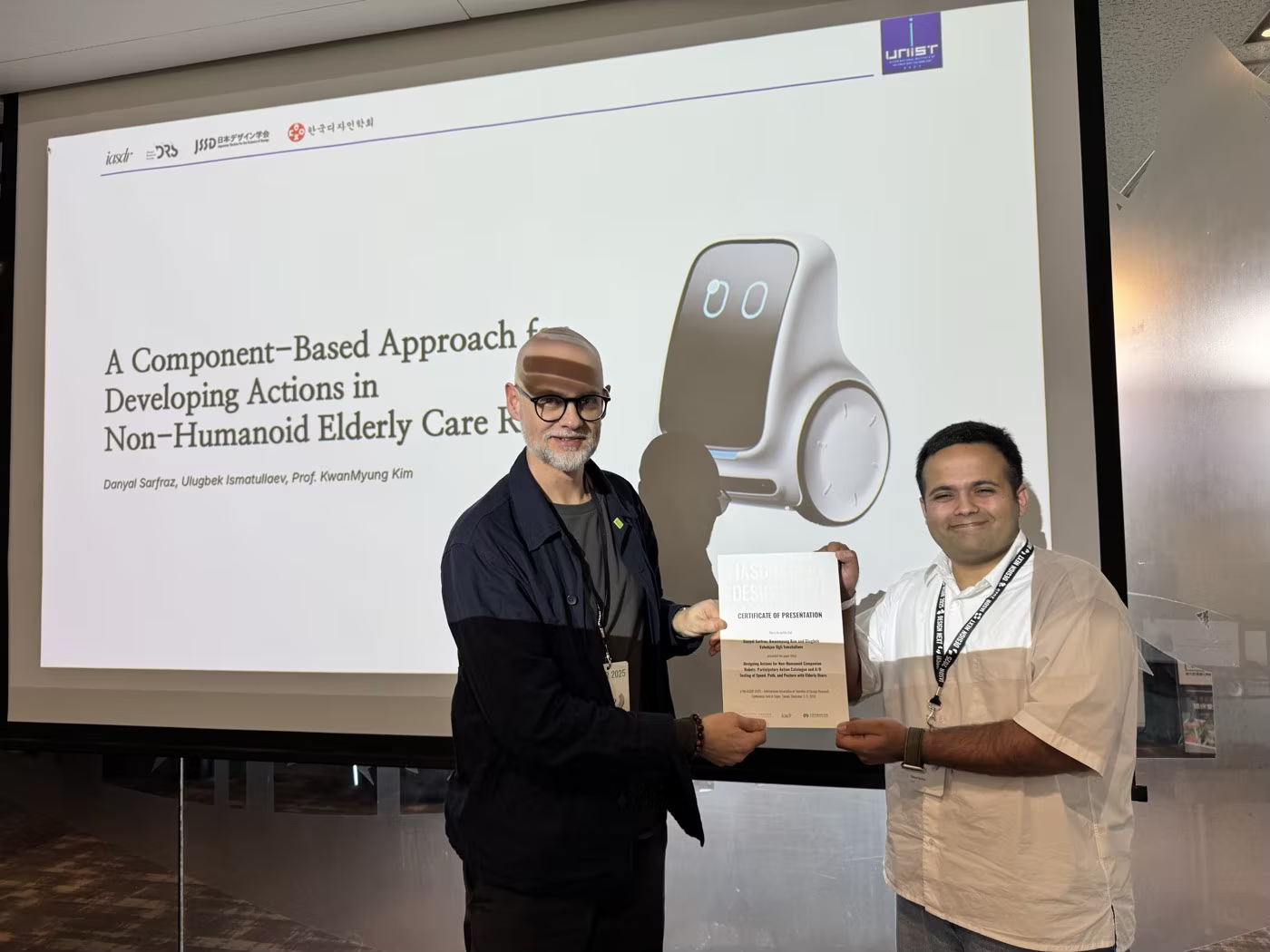
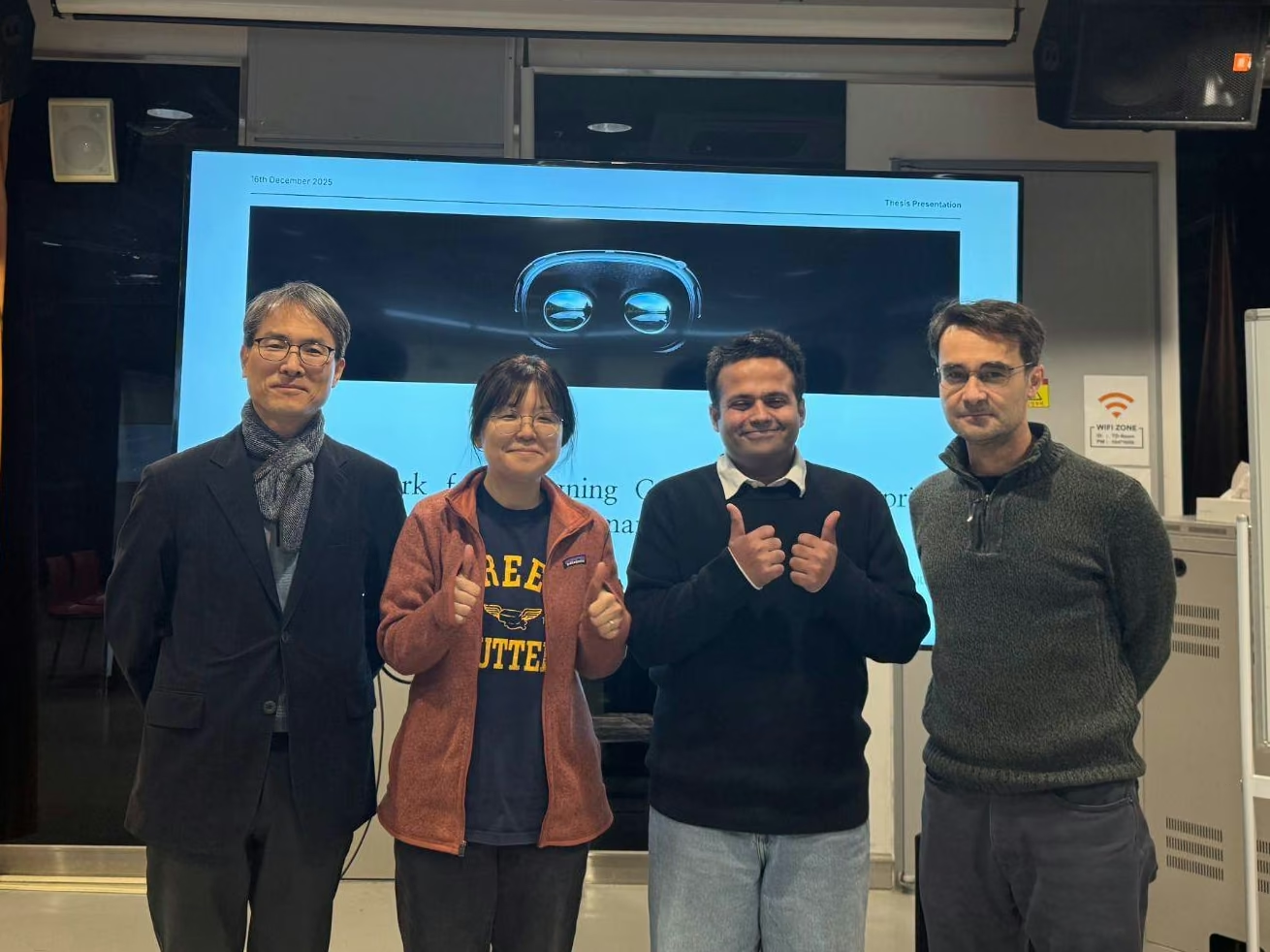
Master’s, second year. Swift, iOS AR and Vision Pro. A thesis built on a Blender add-on and an AR app, and three papers from it at KSDS, IASDR and CHI.
Design and 3D
Visual and product design, through the bachelor’s.
Development
Swift, AR apps and Blender tools.
Research
Papers at KSDS, IASDR and CHI.
AI
In progress.
Reflection
The benchmarks were experts around me: Prof. KwanMyung Kim and Ulugbek Ismatullaev for research, and Prof. Jaeyeon Lee in Computer Science and Engineering. Could I be a peer to them? Could I pass CSE classes and graduate with a CSE committee member? None of the goals were fully achieved, but I’m much closer to them than I would have been without this direction.
Extras
Beyond being proficient, and the future of AI-driven design
How to be more than a worker
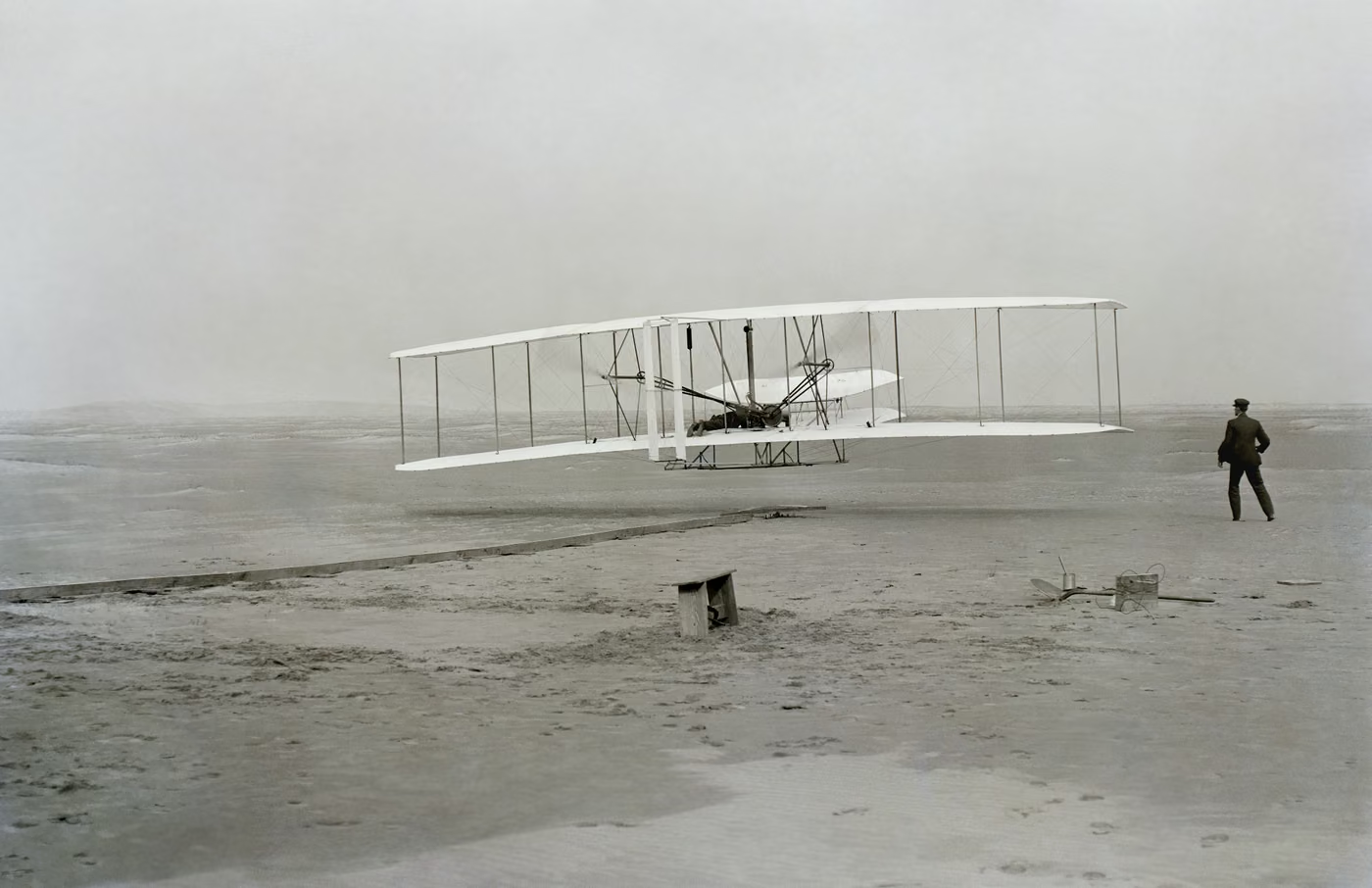
A deep generalist across distinct domains connects fields to find a unique solution: the Wright brothers and bicycles, Steve Jobs and calligraphy, Larry Page borrowing PageRank from academic citations. You can’t pick those domains in advance; the link is a natural mutation that later looks revolutionary. The best you can do is collect unusual experiences: learn unrelated skills and tools, go on hikes, talk to people.
That matters because AI is weak at discovery. It remixes statistical patterns rather than originating unfamiliar, effective ideas, and one estimate caps the creativity of systems like ChatGPT at 0.25 on a scale of 0 to 1, between amateur and professional.1
What might happen next
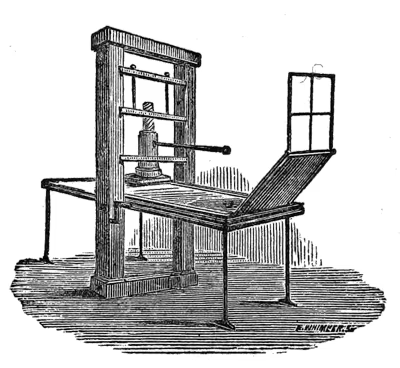
Designers become more managerial: more productive, at the cost of the actual skill, as has already happened in theoretical fields where learning in depth is the expertise. Frank Herbert’s Dune warns that handing our thinking to machines only lets the people who own the machines rule the rest.2 But there is hope at the end: with design opened up to everyone, a design renaissance is possible. Before AI, being a revolutionary like Steve Jobs was optional; now it is essential, the same shift painting went through after photography, writing after the printing press and horses after the Second World War.
The slides
Open the whole talk or one part, then step through with the arrows, arrow keys or a swipe.
-
 17 November 2026 · HCDT, UNIST
- Title slide: Learning Design in the Age of AI, by Danyal Sarfraz, researcher and designer at IID Lab, UNISTTitle
- How to learn design? The main challenge, and the talk's flow from the conceptual part to the practical case studyHow to learn design?
- Part one: Conceptual. Two conventional approaches to learning design, and how AI affects eachPart one: Conceptual
- What is designing in practice today? A Venn diagram placing the designer between artists and techniciansWhat is designing today?
- Designer is a modern craftsman, beside photos of a craftsman at workThe designer as a modern craftsman
- Types of learning: grids showing the expert going deep in one domain and the generalist spreading across manyTypes of learning
- Domain-specific expert: two later-career strategies, parallel specialization and generalized skill developmentThe domain-specific expert
- Generalist: depth and a distinct taste developed over time; before AI, the generalist came out aheadThe generalist
- Current limitations of both approaches: domain-specific models for experts, general tasks for generalistsLimits of both approaches
- Hayao Miyazaki as an expert example, beside news of ChatGPT images in the Studio Ghibli styleExpert example: Hayao Miyazaki
- Defeat in detail: the military tactic of beating separated units one at a time, asked of designDefeat in detail
- A generalist's grid beside two AI models, each covering part of it with more precisionGeneralist example
- So is design dead? Not really, butSo is design dead?
- Design's soul is dead: craftsmanship gives way to a managerial role, beside a photo of a factory floorDesign's soul is dead
- Deep generalist: going deeper in one region, through neighbouring or distinct domains, drawn as a networkThe deep generalist
- Types of learning: the expert, the generalist and the deep generalist side by sideExpert, generalist, deep generalist
- How to become a deep generalist? Martec's law, structural inertia, and two lessons for studentsHow to become a deep generalist
- Part two: Practical application. Myself as a case studyPart two: Practical application
- Case study overview: from the bachelor's to the master'sBachelor's to master's
- Bachelor's, year by year: video editing, photography, visual 3D and over 70 freelance projects, against gradesBachelor's, year by year
- Bachelor's portfolio: a grid of 3D rendersBachelor's portfolio
- The challenge: a visual design focus just as AI image generation went mainstream in 2023, with logos of generative toolsThe challenge
- Master's objectives: research and publications, and deeper technical knowledge, benchmarked against expertsMaster's objectives
- Master's starting tools: Blender, Unreal Engine and computer graphicsMaster's: starting tools
- Master's first year: the tool map grows to Meta VR, SolidWorks and AI-assisted developmentMaster's, first year
- First-year results: Lemmy at CES and the Gwangju Design Biennale, first place at the Korea Heritage contest, and no papers from three submissionsFirst-year results
- Master's second year: Xcode, SwiftUI, iOS AR, Vision Pro and specialized tools join the mapMaster's, second year
- Master's thesis: the framework drawn as tools and stagesMaster's thesis
- Master's thesis: the Blender add-on for animation correction and the AR app for contextual inquiryThesis tools
- The thesis defense with the committee, and presenting two papers at IASDR 2025Defense and papers
- Reflection: none of the goals fully achieved, but much closer than without the directionReflection
- Metamorphosis from 3D visual and product design to development and research, with AI in progressMetamorphosis
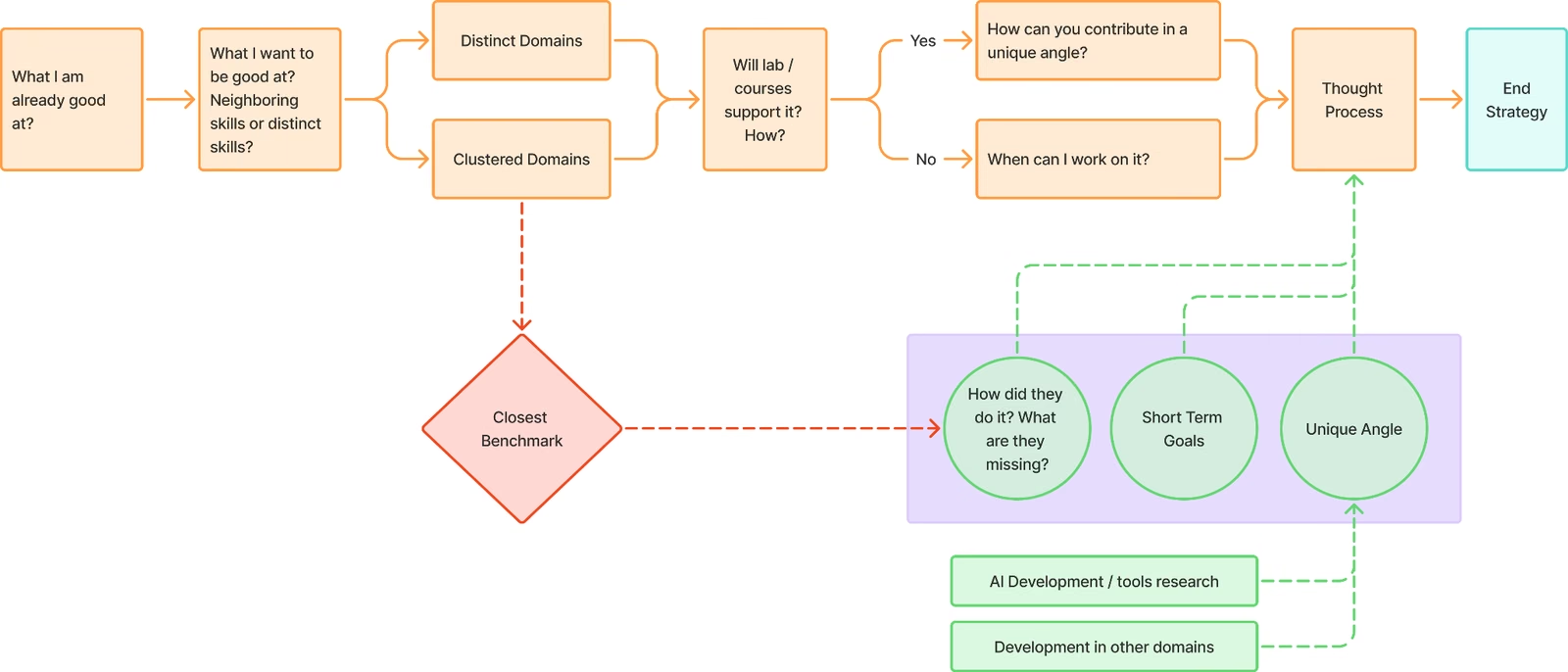
- Generalized strategy: a flowchart of the decisions behind each stepGeneralized strategy
- Extra I: Beyond being proficient. How to be more than a worker?Extra I: Beyond being proficient
- Deep generalist from distinct domains: the Wright brothers and bicycles, Steve Jobs and calligraphy, Google's PageRankDistinct domains
- How do I identify the distinct domains? You can't: learn unrelated skills, go on hikes, talk to peopleFinding distinct domains
- AI's limitations on discovery, citing Cropley (2025) in the Journal of Creative BehaviorAI's limits on discovery
- Extra II: Future of AI-driven design. What might happen?Extra II: The future of AI-driven design
- Long-term impact of AI: designers become more managerial, more productive but less skilledLong-term impact
- Possible adverse impact: a quote from Frank Herbert's Dune on turning thinking over to machinesPossible adverse impact
- Possible design renaissance: an engraving of an early printing press, and a note that being revolutionary is now essentialA possible design renaissance
- Thanks for listening, open to discussion, with a QR code to this websiteThanks for listening
-
 17 November 2026 · HCDT, UNIST
- Part one: Conceptual. Two conventional approaches to learning design, and how AI affects eachPart one: Conceptual
- What is designing in practice today? A Venn diagram placing the designer between artists and techniciansWhat is designing today?
- Designer is a modern craftsman, beside photos of a craftsman at workThe designer as a modern craftsman
- Types of learning: grids showing the expert going deep in one domain and the generalist spreading across manyTypes of learning
- Domain-specific expert: two later-career strategies, parallel specialization and generalized skill developmentThe domain-specific expert
- Generalist: depth and a distinct taste developed over time; before AI, the generalist came out aheadThe generalist
- Current limitations of both approaches: domain-specific models for experts, general tasks for generalistsLimits of both approaches
- Hayao Miyazaki as an expert example, beside news of ChatGPT images in the Studio Ghibli styleExpert example: Hayao Miyazaki
- Defeat in detail: the military tactic of beating separated units one at a time, asked of designDefeat in detail
- A generalist's grid beside two AI models, each covering part of it with more precisionGeneralist example
- So is design dead? Not really, butSo is design dead?
- Design's soul is dead: craftsmanship gives way to a managerial role, beside a photo of a factory floorDesign's soul is dead
- Deep generalist: going deeper in one region, through neighbouring or distinct domains, drawn as a networkThe deep generalist
- Types of learning: the expert, the generalist and the deep generalist side by sideExpert, generalist, deep generalist
- How to become a deep generalist? Martec's law, structural inertia, and two lessons for studentsHow to become a deep generalist
-
 17 November 2026 · HCDT, UNIST
- Part two: Practical application. Myself as a case studyPart two: Practical application
- Case study overview: from the bachelor's to the master'sBachelor's to master's
- Bachelor's, year by year: video editing, photography, visual 3D and over 70 freelance projects, against gradesBachelor's, year by year
- Bachelor's portfolio: a grid of 3D rendersBachelor's portfolio
- The challenge: a visual design focus just as AI image generation went mainstream in 2023, with logos of generative toolsThe challenge
- Master's objectives: research and publications, and deeper technical knowledge, benchmarked against expertsMaster's objectives
- Master's starting tools: Blender, Unreal Engine and computer graphicsMaster's: starting tools
- Master's first year: the tool map grows to Meta VR, SolidWorks and AI-assisted developmentMaster's, first year
- First-year results: Lemmy at CES and the Gwangju Design Biennale, first place at the Korea Heritage contest, and no papers from three submissionsFirst-year results
- Master's second year: Xcode, SwiftUI, iOS AR, Vision Pro and specialized tools join the mapMaster's, second year
- Master's thesis: the framework drawn as tools and stagesMaster's thesis
- Master's thesis: the Blender add-on for animation correction and the AR app for contextual inquiryThesis tools
- The thesis defense with the committee, and presenting two papers at IASDR 2025Defense and papers
- Reflection: none of the goals fully achieved, but much closer than without the directionReflection
- Metamorphosis from 3D visual and product design to development and research, with AI in progressMetamorphosis
- Generalized strategy: a flowchart of the decisions behind each stepGeneralized strategy
-
 17 November 2026 · HCDT, UNIST
- Extra I: Beyond being proficient. How to be more than a worker?Extra I: Beyond being proficient
- Deep generalist from distinct domains: the Wright brothers and bicycles, Steve Jobs and calligraphy, Google's PageRankDistinct domains
- How do I identify the distinct domains? You can't: learn unrelated skills, go on hikes, talk to peopleFinding distinct domains
- AI's limitations on discovery, citing Cropley (2025) in the Journal of Creative BehaviorAI's limits on discovery
-
 17 November 2026 · HCDT, UNIST
- Extra II: Future of AI-driven design. What might happen?Extra II: The future of AI-driven design
- Long-term impact of AI: designers become more managerial, more productive but less skilledLong-term impact
- Possible adverse impact: a quote from Frank Herbert's Dune on turning thinking over to machinesPossible adverse impact
- Possible design renaissance: an engraving of an early printing press, and a note that being revolutionary is now essentialA possible design renaissance
- Thanks for listening, open to discussion, with a QR code to this websiteThanks for listening
Using these slides. You’re welcome to share the slides or use them in teaching and talks. Please credit me as below and link back to this page. Photos and quotes in the slides that come from other sources belong to their owners.
Sarfraz, D. (2026, November 17). Learning Design in the Age of AI: Generalist or Specialist? [Talk]. Department of Human-Centered Design and Technology, UNIST. https://danyalportfolio.com/research/learning-design/
Sarfraz, D. (2026, November 17). Learning Design in the Age of AI: Generalist or Specialist? [Talk]. Department of Human-Centered Design and Technology, UNIST. https://danyalportfolio.com/research/learning-design/